Table of Contents
- What Is Aircraft Maintenance?
- Types of Aircraft Maintenance: Line vs. Base Operations
- A&P Mechanic Certification Requirements and Roles
- Preventive Aircraft Maintenance Checklist and Procedures
- Aviation Maintenance Training Programs and Career Paths
- Aircraft Maintenance Technician Salary and Job Outlook
- Digital Transformation and Sustainability in Modern Maintenance
- Regulatory Compliance and Airworthiness Standards
Last Updated: August 16, 2026
What Is Aircraft Maintenance?
Aircraft maintenance is the systematic inspection, repair, and overhaul of aircraft systems to ensure they remain airworthy and safe for flight. This encompasses routine inspections and component replacements to major structural repairs and avionics upgrades. At 305 Sky, we understand that aircraft maintenance isn't just about fixing problems, it's about preventing them before they compromise safety or operational reliability.
The scope extends across mechanical systems, electrical networks, hydraulics, avionics, and structural integrity. Technicians examine engines, landing gear, flight control surfaces, and pressurization systems, identifying wear patterns and replacing components before failure occurs. Aviation regulators require all aircraft to meet strict FAA airworthiness standards. Without proper maintenance, an aircraft cannot legally operate. The stakes are straightforward: maintenance protects lives, ensures regulatory compliance, and preserves your investment.
Aircraft maintenance differs fundamentally from automotive service. Aircraft operate in extreme conditions, high altitudes, rapid pressure changes, intense temperature variations, that ground-based vehicles never encounter. This reality demands more rigorous inspection protocols, higher-quality parts, and specialized certifications. The margin for error is zero.
Types of Aircraft Maintenance: Line vs. Base Operations
Aircraft maintenance divides into two primary categories: line maintenance and base maintenance.
Line maintenance occurs at the airport between flights or during scheduled turnarounds. Mechanics perform quick inspections, top off fluids, replace consumables, and address minor issues without removing the aircraft from service. Line maintenance typically takes hours and keeps your aircraft ready to fly while preventing small problems from becoming large ones.
Base maintenance is comprehensive work performed at a dedicated facility or hangar. The aircraft is taken out of service for extended periods, sometimes weeks or months. Technicians conduct deep inspections of the airframe, remove and overhaul engines, replace major components, and perform structural repairs. Base maintenance requires specialized equipment and facilities unavailable at most airports.
The frequency of each type depends on flight hours, calendar days, and manufacturer recommendations. Your aircraft might need line maintenance every 100 flight hours and base maintenance every 18-24 months. Some operators manage both types through a single provider, while others split the work between local line services and major maintenance facilities.
A&P Mechanic Certification Requirements and Roles
An A&P mechanic holds an Airframe and Powerplant certification issued by the FAA, demonstrating that a technician has met rigorous knowledge and experience standards and can legally perform aircraft maintenance work.
Becoming an A&P mechanic requires significant investment. Candidates must complete formal aviation maintenance training through an FAA-approved school or accumulate 3,000 hours of on-the-job experience under supervision. Most pursue formal education because it's faster and more structured. Training programs typically last 18-24 months and cover airframe systems, engine systems, electrical systems, hydraulics, and troubleshooting procedures.
After training, candidates must pass three FAA written exams: general knowledge, airframe, and powerplant. Then comes the practical test, an oral examination and hands-on demonstration where an FAA inspector evaluates whether the candidate can perform maintenance tasks correctly.
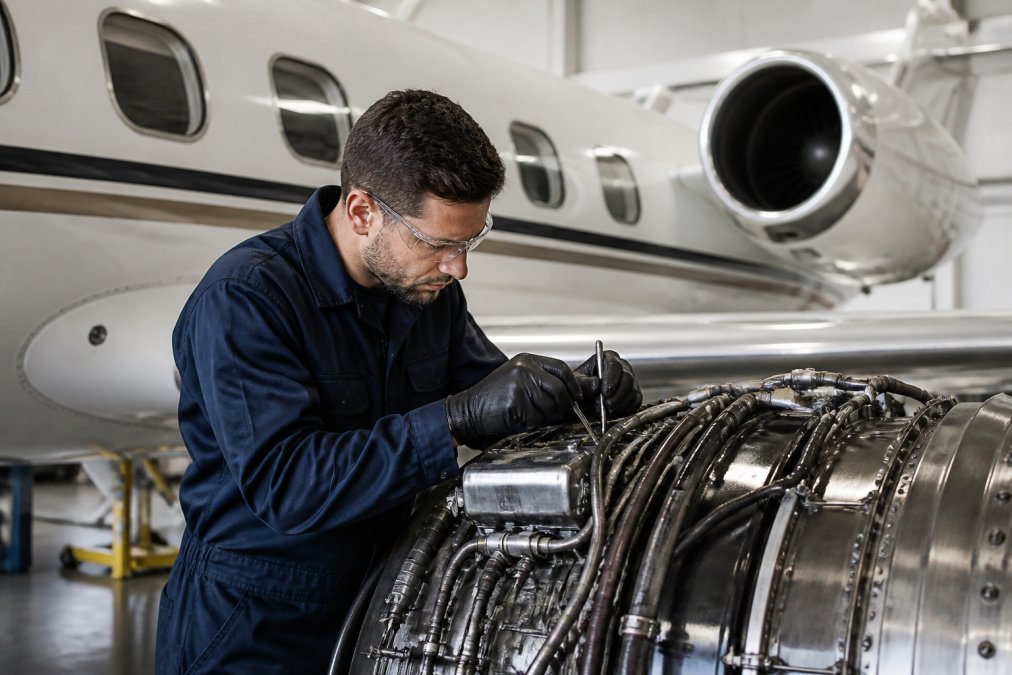
A&P mechanics at facilities like 305 Sky carry additional responsibilities beyond basic certification. Many hold inspection authorizations (IA), which permit them to sign off on annual inspections and major maintenance work. Some specialize in specific aircraft types, King Air, Citation, Gulfstream, requiring type-specific training. Others focus on avionics, interiors, or paint. Specialization deepens expertise and allows technicians to deliver bespoke upgrades that standard mechanics cannot perform.
The role extends beyond turning wrenches. Technicians interpret maintenance manuals, review aircraft logbooks, document work performed, and communicate findings to aircraft owners. They're part technician, part detective, part communicator.
Preventive Aircraft Maintenance Checklist and Procedures
Preventive aircraft maintenance follows structured checklists based on manufacturer recommendations and FAA regulations. These aren't suggestions, they're mandatory protocols that determine airworthiness.
The most common preventive maintenance schedule is the annual inspection. Every aircraft must undergo a thorough annual inspection within 12 calendar months. The inspection covers the entire aircraft: engines, airframe, landing gear, flight controls, electrical systems, instruments, and interior. An FAA-certified A&P mechanic with an inspection authorization conducts this work. The inspection typically takes 20-40 hours depending on aircraft type and condition.
Larger aircraft follow 100-hour inspections, triggered either by 100 flight hours or 12 calendar months, whichever comes first. Some aircraft operate on condition-based maintenance, where inspections occur based on actual wear patterns rather than fixed intervals.
Between formal inspections, operators perform preflight checks before each flight. Pilots or mechanics verify fuel quantity, oil levels, tire condition, flight control movement, and instrument functionality.
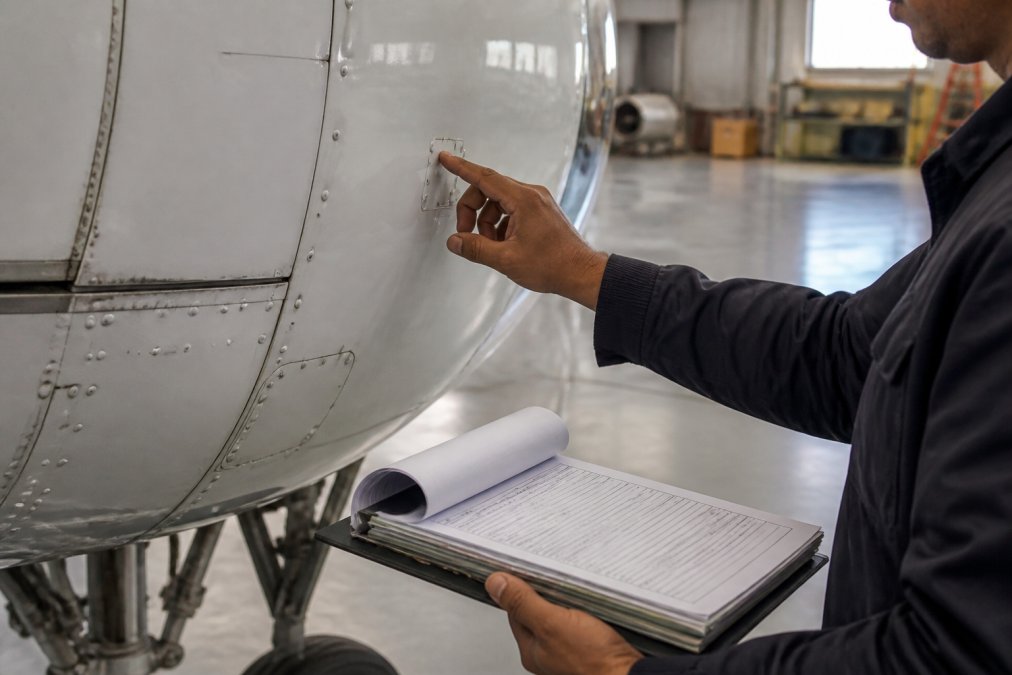
A typical preventive maintenance checklist includes:
- Engine condition inspection (compression test, borescope inspection)
- Airframe structural inspection (cracks, corrosion, damage)
- Landing gear and brake inspection
- Flight control surface inspection and adjustment
- Electrical system testing
- Hydraulic system inspection
- Avionics and instrument verification
- Interior condition assessment
Documentation matters as much as the work itself. Every inspection, repair, and component replacement gets recorded in the aircraft logbook. The logbook is the aircraft's medical record, proving compliance with maintenance requirements and documenting all work performed.
Aviation Maintenance Training Programs and Career Paths
Aviation maintenance training comes through three primary pathways: FAA-approved schools, military training, and on-the-job experience.
FAA-approved Part 147 schools offer structured 18-24 month programs covering airframe and powerplant systems. Students learn theory, system operation, failure modes, and troubleshooting alongside practical skills like removing engines, inspecting structures, and replacing components. Graduates exit with the knowledge foundation needed to pass FAA exams.
Military training produces many of the nation's A&P mechanics. The U.S. Air Force, Navy, and Army all train aircraft maintenance technicians. Military graduates often transition to civilian aviation with significant experience and deep technical knowledge.
The apprenticeship path requires 3,000 hours of on-the-job experience under an A&P mechanic's supervision. This approach takes longer, typically 5-7 years, but allows candidates to earn wages while training.
Career paths diverge based on specialization and ambition. Some technicians remain hands-on mechanics, specializing in specific aircraft types or systems. Others transition into inspection roles or management. Some become instructors, training the next generation.
The aviation maintenance field offers stability. Demand for qualified technicians consistently exceeds supply. Aircraft will always need maintenance, creating consistent employment opportunities and upward mobility for technicians who develop expertise.
Salaries vary by experience, location, and specialization. Entry-level technicians earn modest wages, but experienced A&P mechanics with inspection authorizations and specialized knowledge command premium compensation. Fort Lauderdale's concentration of high-value aircraft creates particularly strong demand for skilled technicians.
Aircraft Maintenance Technician Salary and Job Outlook
The aviation maintenance field faces a significant technician shortage. Experienced A&P mechanics are in high demand, and this demand will intensify as older technicians retire and new aircraft enter service.
The job outlook for aircraft maintenance technicians remains strong. The aviation industry projects steady growth in commercial and business aviation. More flights require more maintenance. This demand translates into job security and competitive compensation.
Compensation varies significantly based on experience, certifications, and location. Entry-level technicians earn less than experienced specialists. Technicians with inspection authorizations and advanced certifications earn more. Geographic location matters, high-cost areas like South Florida typically offer higher wages than rural regions.
The career path offers advancement opportunities. Technicians can earn additional certifications, specialize in specific aircraft types, or transition into supervisory roles. Each advancement increases earning potential and professional opportunity.
The technician shortage creates opportunities for career changers and young professionals. If you're considering aviation maintenance, the timing is favorable. Demand exceeds supply, translating into job opportunities and strong earning potential.
Digital Transformation and Sustainability in Modern Maintenance
Aircraft maintenance is undergoing significant transformation driven by digital technology and sustainability pressures.
Digital tools are revolutionizing maintenance documentation and scheduling. Electronic logbooks replace paper records. Maintenance management software tracks inspections, schedules work, and generates compliance reports. Predictive analytics analyze engine performance data to predict component failures before they occur. Mobile technology extends this transformation to the hangar, allowing technicians to access maintenance manuals and reference technical data instantly.
Sustainability concerns are reshaping aircraft maintenance priorities. Operators increasingly focus on fuel efficiency, emissions reduction, and environmental compliance. Maintenance technicians optimize engine performance, reduce fuel consumption, and extend component life through precise maintenance. Some operators invest in avionics upgrades that improve flight efficiency.
Regulatory Compliance and Airworthiness Standards
Aircraft cannot legally operate unless they meet FAA airworthiness standards. Compliance is non-negotiable.
The FAA establishes airworthiness requirements through Federal Aviation Regulations (FARs). These regulations define maintenance requirements, inspection intervals, component specifications, and documentation standards. Different aircraft categories, general aviation, commercial, experimental, follow different regulatory frameworks.
Airworthiness certificates prove that an aircraft meets FAA standards. Maintaining airworthiness requires continuous adherence to maintenance requirements. Missing an inspection deadline or deferring required maintenance jeopardizes the airworthiness certificate.
Maintenance documentation is critical for regulatory compliance. Every inspection, repair, and component replacement must be recorded in the aircraft logbook. The logbook becomes the official record of maintenance history, reviewed by FAA inspectors during audits, insurance companies during claims investigations, and potential buyers during aircraft purchases.
Compliance challenges arise when operators attempt to defer maintenance or cut corners. The FAA takes violations seriously. Penalties include fines, airworthiness certificate suspension, and criminal charges in severe cases.
Working with experienced maintenance providers like 305 Sky ensures compliance. Our team understands FAA regulations, maintains current certifications, and keeps detailed records. We schedule required maintenance, perform inspections thoroughly, and document everything properly.
According to FAA guidance on airworthiness standards, aircraft operators are ultimately responsible for maintaining airworthiness. You cannot delegate this responsibility to a maintenance provider. You must verify that required maintenance is completed on schedule and documented properly.
Aircraft maintenance is complex, regulated, and critical to flight safety. Whether you operate a single aircraft or manage a fleet, understanding maintenance requirements, technician qualifications, and compliance obligations protects your investment and keeps your aircraft safe.
At 305 Sky in Fort Lauderdale, we bring 55+ years of combined aviation experience to every maintenance project. From routine inspections and preventive maintenance to emergency AOG response and bespoke avionics upgrades, our team delivers the expertise and reliability you need. We maintain transparent communication, document everything properly, and ensure your aircraft remains airworthy and compliant. Get a quote today and experience the difference that dedicated, professional aircraft maintenance makes.
Frequently Asked Questions
What are the different types of aircraft maintenance checks?
Aircraft maintenance includes line maintenance (performed between flights for quick turnarounds), base maintenance (comprehensive overhauls in a hangar), and preventive maintenance (scheduled inspections to catch issues before they develop). Line maintenance covers fluid checks, tire inspections, and minor repairs. Base maintenance involves deep structural inspections, component overhauls, and system overhauls. These categories ensure both immediate flight safety and long-term airworthiness compliance.
What do A&P mechanic certification requirements involve?
To become an FAA-certified Airframe and Powerplant (A&P) mechanic, you must complete technical training through an FAA-approved school, accumulate 1,900 hours of hands-on experience, and pass three written exams (general, airframe, and powerplant). Many technicians combine classroom training with on-the-job hours. Certification demonstrates competency in aircraft inspection, repair, and maintenance according to FAA regulations and manufacturer specifications.
How much do aircraft maintenance technicians earn?
Aircraft maintenance technician salaries vary by experience, location, and employer type. Entry-level technicians typically earn $40,000-$55,000 annually, while experienced A&P mechanics can earn $65,000-$95,000 or more, particularly in specialized roles like avionics or in high-demand regions. Overtime, shift differentials, and specialized certifications can increase earnings. Charter and corporate flight operations often offer higher compensation than smaller facilities.
What role does the FAA play in aircraft maintenance?
The FAA establishes and enforces airworthiness standards, certification requirements for mechanics, and maintenance regulations through Title 14 of the Code of Federal Regulations (14 CFR). The FAA mandates inspection intervals, approves maintenance procedures, certifies repair stations, and conducts compliance audits. These regulations ensure every aircraft meets strict safety standards and that technicians possess the knowledge and skills to maintain flight safety throughout an aircraft's operational life.
This article was written using GrandRanker