Table of Contents
- Why King Air Maintenance Matters
- King Air Phase Inspection Schedule
- Common King Air Maintenance Issues
- Beechcraft King Air AOG Support
- King Air Avionics Upgrade Cost Considerations
- Choosing the Right Maintenance Provider
- Conclusion
Last Updated: August 17, 2026
Why King Air Maintenance Matters
King Air maintenance is the difference between an aircraft that stays airworthy and one that becomes a liability. The Beechcraft King Air has been a workhorse in aviation for decades, trusted by corporate flight departments, charter operators, and private owners across the country. But that reliability only holds if you commit to a rigorous maintenance schedule.
The stakes are high. A single missed inspection or deferred maintenance item can ground your aircraft unexpectedly, disrupt operations, and create safety risks. For operators in South Florida's competitive aviation market, downtime means lost revenue and damaged client relationships. That's why understanding King Air maintenance requirements isn't optional, it's essential to protecting your investment and your operation.
At 305 Sky, we've worked with King Air operators across South Florida, from Fort Lauderdale to Vero Beach. We've seen what happens when maintenance is done right, and we've seen the consequences when it's not. The difference comes down to knowing your aircraft's maintenance schedule, staying ahead of inspections, and partnering with a provider who understands the specific demands of King Air ownership.
This guide covers everything you need to know about King Air maintenance: the inspection schedules you're required to follow, common issues that catch operators off guard, how to access emergency support when your aircraft goes down, and how to choose a maintenance partner you can actually trust.
King Air Phase Inspection Schedule
The Federal Aviation Administration (FAA) mandates a structured inspection program for all aircraft, and King Air maintenance follows this framework closely. Understanding your King Air phase inspection schedule is the foundation of responsible ownership.
100-Hour Inspections
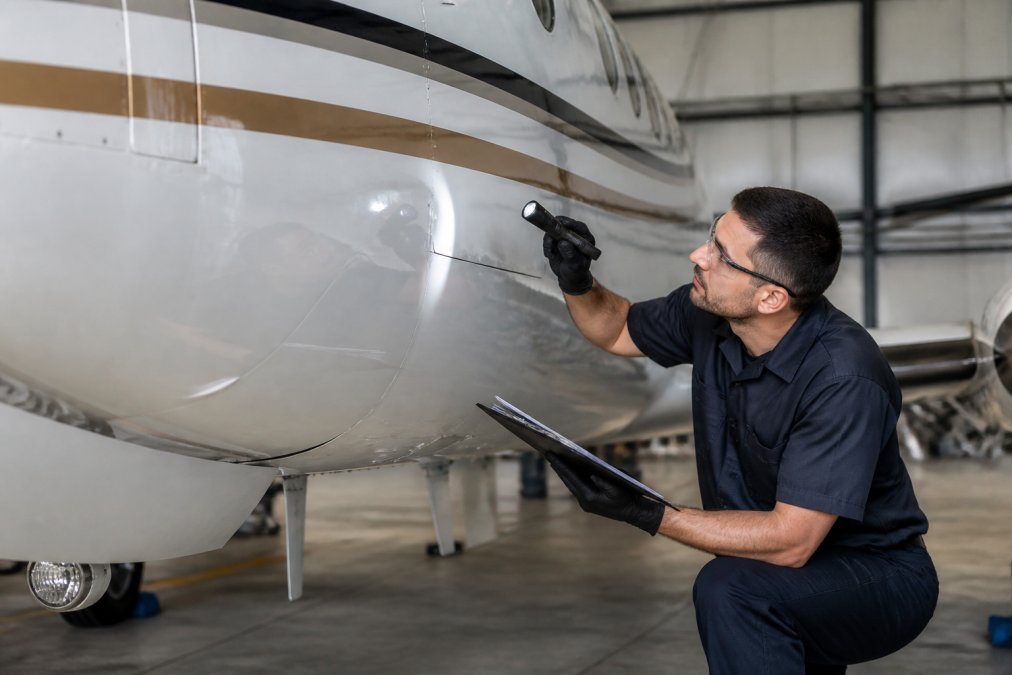
Every 100 hours of flight time, your King Air requires a comprehensive 100-hour inspection. This isn't a quick walk-around, it's a detailed examination of engines, airframe, systems, and components. The inspection covers engine condition, oil analysis, fluid levels, brake wear, tire condition, and avionics functionality. Many operators combine the 100-hour inspection with an annual inspection to simplify downtime.
The 100-hour inspection typically takes two to three days, depending on what the inspection uncovers. If your aircraft flies 50 hours per month, you're looking at a major inspection every two months. That's a significant operational consideration. For charter operators or corporate flight departments, scheduling these inspections around revenue flights requires careful planning. A reputable King Air maintenance provider will work with your schedule and give you realistic timelines upfront.
Annual and Progressive Inspections
Beyond the 100-hour requirement, your King Air must pass an annual inspection every 12 months, regardless of flight hours. This inspection is more thorough than the 100-hour check. It includes a complete engine teardown and inspection, comprehensive systems review, and detailed structural examination.
Many operators use a progressive inspection approach instead of a single annual event. Progressive inspections spread the work across the year, breaking the annual requirement into smaller, more manageable phases. This approach minimizes downtime and keeps your aircraft operational while still meeting all regulatory requirements. Progressive inspections make sense for operators who fly regularly and can't afford extended hangar time.
Major Overhaul Requirements
King Air engines have time-between-overhaul (TBO) limits set by the manufacturer. For most King Air models, engines are due for major overhaul at 3,000 to 3,600 hours. This is one of the most significant maintenance expenses you'll face as a King Air owner. A major engine overhaul involves complete disassembly, inspection, repair or replacement of worn components, and reassembly to manufacturer specifications.
The overhaul process takes weeks and costs substantially. However, staying ahead of TBO limits is non-negotiable. Operating an engine past its TBO creates liability issues and voids manufacturer support. Many King Air operators plan for overhaul costs by setting aside reserves over time or scheduling overhauls strategically to align with aircraft availability.
Common King Air Maintenance Issues
Certain problems appear repeatedly across King Air fleets. Knowing what to watch for helps you catch issues early, before they become expensive surprises.
Pressurization system leaks are among the most common King Air issues. The aircraft's cabin pressurization system is complex, with multiple seals and connections. Over time, these components wear and develop small leaks. A slow pressurization leak might not ground your aircraft immediately, but it degrades performance and increases pilot workload. Catching pressurization issues during routine inspections prevents them from becoming mid-flight problems.
Landing gear issues also appear frequently. The King Air's retractable gear system has multiple hydraulic components and actuators. Worn seals, corroded actuator rods, and hydraulic fluid degradation can all affect gear operation. Regular inspection of landing gear components, including close examination of actuator condition and hydraulic fluid analysis, catches these issues before they affect safety or dispatch reliability.
Avionics system failures are increasingly common as older King Air avionics age. Many aircraft flying today still have legacy glass cockpits or analog systems that are approaching end-of-life. Failures in navigation systems, autopilot components, or communication equipment can ground your aircraft until repairs are completed. This is where King Air avionics upgrade cost considerations come into play, upgrading to modern systems often makes sense from both a reliability and operational capability perspective.
Fuel system contamination is another recurring issue. Water and debris in fuel tanks can damage engines and fuel system components. Regular fuel system inspection, water removal, and fuel testing prevent contamination-related failures. For aircraft stored outdoors or in humid climates like South Florida, fuel system vigilance is especially important.
Beechcraft King Air AOG Support
Aircraft on ground (AOG) situations are every operator's nightmare. Your King Air breaks down unexpectedly, and you need parts and expertise immediately. That's where AOG support becomes critical.

Beechcraft King Air AOG support means having access to emergency maintenance services that can respond quickly when your aircraft goes down. A true AOG provider maintains mobile units equipped with common replacement parts and tools. They can respond to your aircraft location, whether that's Fort Lauderdale, Boca Raton, or anywhere else in South Florida, with minimal delay.
The difference between good AOG support and inadequate support shows up in response time. A provider with strategically located facilities and mobile maintenance vans can reach your aircraft within hours, not days. They diagnose the problem, replace failed components, and get you flying again while you're still on the phone explaining what happened.
305 Sky operates 24/7 AOG support specifically designed for King Air operators across South Florida. Our mobile maintenance van carries common King Air parts and tools, and our team responds to emergency calls around the clock. We've handled AOG situations at 2 AM on Sunday mornings, at small airfields outside the major hubs, and in situations where other providers said they couldn't help. That's the difference between a maintenance partner and a vendor.
When you're evaluating AOG support, ask specific questions: How many mobile units do they operate? Where are they stationed? What's their average response time? Can they actually reach your aircraft at 3 AM at a remote airfield, or are they only available during business hours at major facilities? Get answers in writing. Your AOG provider should be able to tell you exactly what you'll get when you call in an emergency.
King Air Avionics Upgrade Cost Considerations
Avionics upgrades represent a significant investment, but they're often necessary to keep your King Air current and competitive. Modern glass cockpit systems offer capabilities that older avionics simply can't match: integrated flight management systems, synthetic vision, real-time weather integration, and autopilot systems that dramatically reduce pilot workload.
King Air avionics upgrade cost depends on what you're upgrading from and what you're upgrading to. A full glass cockpit retrofit is more expensive than upgrading individual systems. However, a full retrofit often makes more sense economically and operationally than piecemeal upgrades. You're consolidating functionality, reducing redundancy, and ending up with a cohesive system where all components communicate effectively.
Beyond the direct cost of equipment and installation, consider the operational benefits. Modern avionics reduce crew workload, improve situational awareness, and open access to performance-based navigation procedures that older systems can't fly. For charter operators, modern avionics can justify higher charter rates. For corporate operators, they reduce pilot fatigue on long flights and improve safety margins.
The decision to upgrade avionics isn't just financial, it's operational and strategic. A King Air with modern avionics is more valuable, more capable, and more attractive to potential buyers if you ever decide to sell. When evaluating King Air avionics upgrade cost, think beyond the invoice and consider what the upgrade enables for your operation.
Choosing the Right Maintenance Provider
Your King Air maintenance provider shapes your aircraft's reliability, your operational efficiency, and your peace of mind. Choosing the wrong provider costs you money, downtime, and credibility with clients or passengers.
Start by verifying credentials and experience. Your maintenance provider should be FAA-certified and should have documented experience with King Air maintenance specifically. General aircraft maintenance experience doesn't automatically translate to King Air expertise. Ask for references from other King Air operators. Talk to people who actually use the provider, not just people they recommend.
Transparency in communication and billing is non-negotiable. A provider who explains what they're doing, why they're doing it, and what it will cost builds trust. Providers who use vague language, surprise you with unexpected charges, or avoid detailed explanations are signaling problems. You want a partner who walks you through decisions and gives you options.
Facility and capability matter. Can they handle the full scope of King Air maintenance, or will they farm out certain work to other shops? For routine maintenance, that might be acceptable. For complex repairs or major overhauls, you want a provider with in-house capability. Ask about their equipment, their team's certifications, and their turnaround times on common repairs.
AOG support availability is critical if you operate your King Air regularly. A provider who offers 24/7 AOG support with mobile units positioned across South Florida gives you security that other providers simply can't match. You're not just buying maintenance, you're buying peace of mind.
305 Sky brings together all these elements. We're FAA-certified with over 55 years of combined aviation experience. Our team includes third-generation aviators who grew up around aircraft and understand the nuances of King Air operation. We maintain four strategically located facilities across South Florida, from Fort Lauderdale to Vero Beach, and we operate 24/7 AOG support with mobile maintenance vans.
Our approach is transparent and family-oriented. We explain what needs to be done, why it matters, and what it costs. We don't nickel-and-dime clients or hide charges in fine print. We handle the full scope of King Air maintenance: routine inspections, AOG emergency response, major overhauls, and avionics upgrades. You get one trusted partner instead of juggling multiple vendors.
Conclusion
King Air maintenance is complex, expensive, and non-negotiable. Your aircraft's airworthiness, your operational reliability, and your safety all depend on getting it right. Understanding your inspection schedule, recognizing common issues, and choosing a maintenance provider who actually understands King Air operation is how you protect your investment.
When something goes wrong with your King Air, whether it's a routine inspection that uncovers unexpected damage or an emergency AOG situation at 2 AM, you need a provider who responds immediately with expertise and transparency. 305 Sky delivers exactly that. With 24/7 AOG support, transparent communication, and deep King Air expertise across South Florida, we're the partner you can trust when your aircraft needs to stay flying.
Frequently Asked Questions
How often does a Beechcraft King Air require an inspection?
King Air aircraft require inspections based on flight hours and calendar time. The 100-hour inspection occurs every 100 flight hours or 12 months, whichever comes first. Annual inspections are required every 12 months regardless of flight hours. Progressive inspections spread major maintenance tasks across multiple visits. Additionally, manufacturers specify phase inspections at specific hour intervals (typically 400, 800, 1,200, and 1,600 hours). Your maintenance provider can develop a schedule tailored to your operation.
What is included in a King Air Phase inspection?
Phase inspections are comprehensive checks that examine the aircraft's systems, structure, and components in detail. A typical phase inspection includes engine condition monitoring, hydraulic system evaluation, airframe structural inspection, electrical system testing, avionics verification, and interior condition assessment. The scope depends on the specific phase and manufacturer requirements. Inspections may take several days to complete and require the aircraft to be grounded. Your maintenance team will provide a detailed breakdown of what's included before work begins.
What are the most common maintenance issues for King Air 200 series aircraft?
King Air 200 series aircraft commonly experience issues with pressurization systems, landing gear components, engine cooling, and fuel system maintenance. Older models may have avionics that need updating for modern navigation standards. Corrosion in high-moisture environments is also typical. Regular inspections catch these issues early, preventing costly repairs and ensuring safety. Addressing corrosion and maintaining pressurization systems proactively extends aircraft life and reliability.
How does 24/7 AOG support benefit King Air operators?
AOG (Aircraft on Ground) support means your maintenance provider responds immediately to unscheduled issues, minimizing downtime. With 24/7 availability, you get emergency repairs at night or on weekends without long delays. Mobile maintenance units can reach your aircraft at its location rather than requiring towing. This rapid response keeps your aircraft operational, protects your schedule, and reduces the financial impact of unexpected breakdowns. It's especially valuable for operators who depend on their aircraft for business or charter operations.
Ready to move your King Air maintenance to a provider who understands your needs? Get a quote from 305 Sky and discover the difference that transparent, expert aircraft care makes.
This article was written using GrandRanker