Table of Contents
- What Aircraft Maintenance Covers
- Aircraft AOG Support Services and Emergency Response
- FAA Certified Repair Stations and What to Look For
- Private Jet Routine Inspection Checklist
- Line Maintenance and Preventative Care
- Avionics Repair, Installation, and Heavy Maintenance
- Why Transparency and Local Expertise Matter
- Conclusion
Last Updated: August 15, 2026
What Aircraft Maintenance Covers
Aircraft maintenance is the systematic inspection, repair, and servicing of aircraft systems to ensure airworthiness, regulatory compliance, and safe operation. For private jet owners and operators in Fort Lauderdale, understanding what maintenance entails is essential to keeping your aircraft mission-ready and compliant with FAA requirements.
Routine maintenance includes scheduled inspections, fluid checks, filter replacements, and component servicing based on manufacturer specifications and flight hours. Heavy maintenance involves more extensive work: structural inspections, engine overhauls, avionics system diagnostics, and compliance with airworthiness directives. Line maintenance addresses immediate operational needs, pre-flight checks, troubleshooting, and minor repairs that keep your aircraft flying between scheduled services.
At 305 Sky, we handle the full spectrum of aircraft maintenance services across South Florida. Our team manages routine inspections that catch issues early, emergency AOG support when something fails unexpectedly, and comprehensive heavy maintenance that extends your aircraft's service life. Whether you fly a King Air, light jet, or turboprop, the maintenance your aircraft needs falls into these core categories. The key is having a repair station that understands your specific aircraft type and can execute work efficiently without unnecessary downtime.
Aircraft AOG Support Services and Emergency Response
Aircraft on the ground (AOG) situations demand immediate response. When your jet can't fly, every hour of downtime represents lost revenue, missed commitments, and mounting frustration. AOG support services are designed to get your aircraft airworthy fast, ideally within hours, not days.
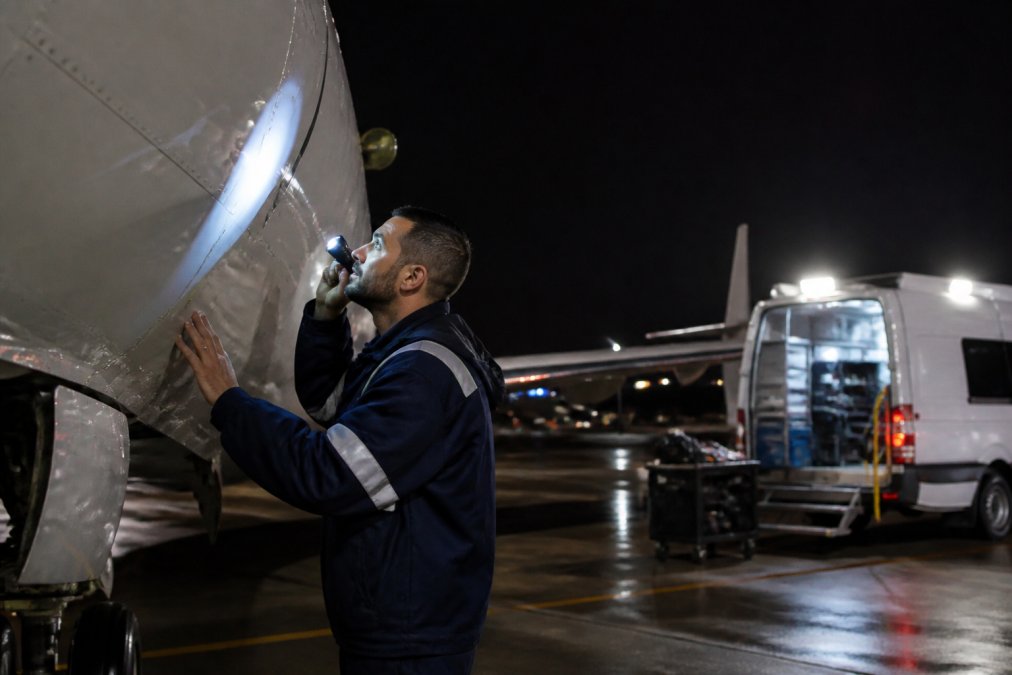
A true 24/7 AOG response means technicians available at 2 AM on Sunday, not just during business hours. This requires mobile maintenance capabilities, a van equipped with common parts, diagnostic tools, and experienced mechanics who can diagnose and repair issues on-site or transport your aircraft to a facility for more complex work. The difference between a shop that says they offer AOG support and one that actually delivers it often comes down to infrastructure and staffing.
305 Sky operates mobile maintenance units across South Florida, from Fort Lauderdale to Vero Beach. Our team responds to emergency calls with the tools and expertise to address avionics failures, engine issues, hydraulic problems, and structural concerns. We prioritize rapid diagnostics so we can determine whether your aircraft can be repaired on-site or needs hangar access. This approach minimizes downtime and gets you back in the air.
When selecting an AOG provider, verify they have:
- Mobile units stationed regionally (not centralized far from your base)
- Technicians on call 24/7, not just on-call answering services
- Parts inventory for common emergencies
- Direct access to component suppliers for quick replacements
- Experience with your specific aircraft type
FAA Certified Repair Stations and What to Look For
Not all maintenance facilities are created equal. An FAA Certified Repair Station (FAR Part 145) meets strict federal standards for equipment, personnel qualifications, and quality assurance. This certification matters because it ensures your maintenance is performed to regulatory standards and documented properly for airworthiness compliance.
A FAA certified repair station must maintain:
- Qualified and certificated aircraft mechanics
- Approved facilities with proper equipment and environmental controls
- Quality control procedures and inspection protocols
- Maintenance manuals and technical documentation
- Traceability of parts and components used
- Detailed maintenance records for regulatory audit
When evaluating a repair station, ask to see their FAA certificate and understand their scope of work. Some stations specialize in specific aircraft types or maintenance categories (e.g., avionics only, engines only, airframe only). Others, like 305 Sky, hold broader certifications that allow comprehensive maintenance across multiple aircraft types and service categories.
Beyond the certificate, look for:
- How long they've been in business and their reputation in the aviation community
- Whether they employ full-time technicians or contract workers
- Their turnaround times for routine and emergency maintenance
- How they handle parts sourcing and component repairs
- Their communication practices, do they keep you informed throughout the maintenance process?
A certified repair station in Fort Lauderdale should be transparent about their processes, willing to explain what work is being done and why, and able to provide references from other aircraft operators. The certification is a baseline; the quality of service is what separates a good facility from an exceptional one.
Private Jet Routine Inspection Checklist
Routine inspections are your first line of defense against costly failures. These scheduled checks follow manufacturer guidelines and FAA requirements based on flight hours, calendar time, and specific maintenance intervals. For private jet owners, understanding what gets inspected helps you ask the right questions and ensures nothing is overlooked.
A comprehensive routine inspection typically includes:
- Engine systems: Oil analysis, filter condition, fuel system integrity, ignition system function
- Hydraulic systems: Fluid levels, pressure readings, hose condition, actuator operation
- Flight controls: Cable tension, linkage alignment, control surface movement, autopilot functionality
- Avionics: Navigation systems, communication equipment, autopilot, weather radar, glass cockpit displays
- Electrical systems: Battery condition, alternator output, circuit breaker function, lighting systems
- Landing gear and brakes: Tire condition, brake pad wear, strut pressure, wheel bearing integrity
- Cabin systems: Pressurization, air conditioning, oxygen systems, emergency equipment
- Exterior inspection: Airframe cracks, corrosion, paint condition, antenna integrity, window seals
- Interior condition: Seating, upholstery, galley equipment, lavatory systems, cabin lighting
The frequency depends on your aircraft type and usage. A busy charter operation might need inspections every 50 flight hours; a personal-use owner flying 200 hours annually might follow a 12-month cycle. Your maintenance logbook and aircraft manual specify the exact intervals.
305 Sky's routine inspection process documents findings in detail, prioritizes issues by safety and regulatory impact, and provides clear recommendations for follow-up work. We communicate findings before work begins so you understand what's needed and why, no surprises, no unnecessary repairs.
Line Maintenance and Preventative Care
Line maintenance is the day-to-day upkeep that keeps your aircraft operational between scheduled heavy maintenance events. This includes pre-flight inspections, fluid top-offs, minor adjustments, troubleshooting, and repairs that don't require removing major components or extended hangar time.
Preventative maintenance takes line maintenance a step further by addressing wear and tear before it becomes a failure. A technician might replace a hydraulic hose showing early signs of degradation, clean fuel injectors to maintain engine performance, or update software in avionics systems. These interventions prevent emergency situations and extend component life.
The relationship between line maintenance and preventative care is straightforward: reactive maintenance (fixing broken things) costs more and causes downtime. Preventative maintenance (fixing things before they break) costs less and keeps your aircraft flying. Most aircraft owners who operate efficiently embrace preventative care as standard practice.
Common preventative maintenance tasks include:
- Fluid analysis (oil, hydraulic fluid, fuel) to detect contamination or component wear
- Filter replacement on schedule, not just when clogged
- Corrosion inspection and treatment in humid climates like South Florida
- Lubrication of moving parts and fasteners
- Software updates for avionics and engine management systems
- Seal and gasket replacement before leaks develop
- Component inspection for fatigue cracks or wear patterns
A good maintenance partner in Fort Lauderdale will recommend preventative work based on your aircraft's age, usage pattern, and environmental exposure. Coastal operations in South Florida mean higher corrosion risk, so preventative treatment is especially important. 305 Sky's team identifies preventative opportunities during routine inspections and presents them as options, not mandatory upsells, so you can make informed decisions about your maintenance budget.
Avionics Repair, Installation, and Heavy Maintenance
Avionics systems have become increasingly complex and critical to safe flight. Modern glass cockpits integrate navigation, communication, weather radar, autopilot, and flight management systems into interconnected networks. When avionics fail or become outdated, repair and upgrade decisions affect both safety and capability.
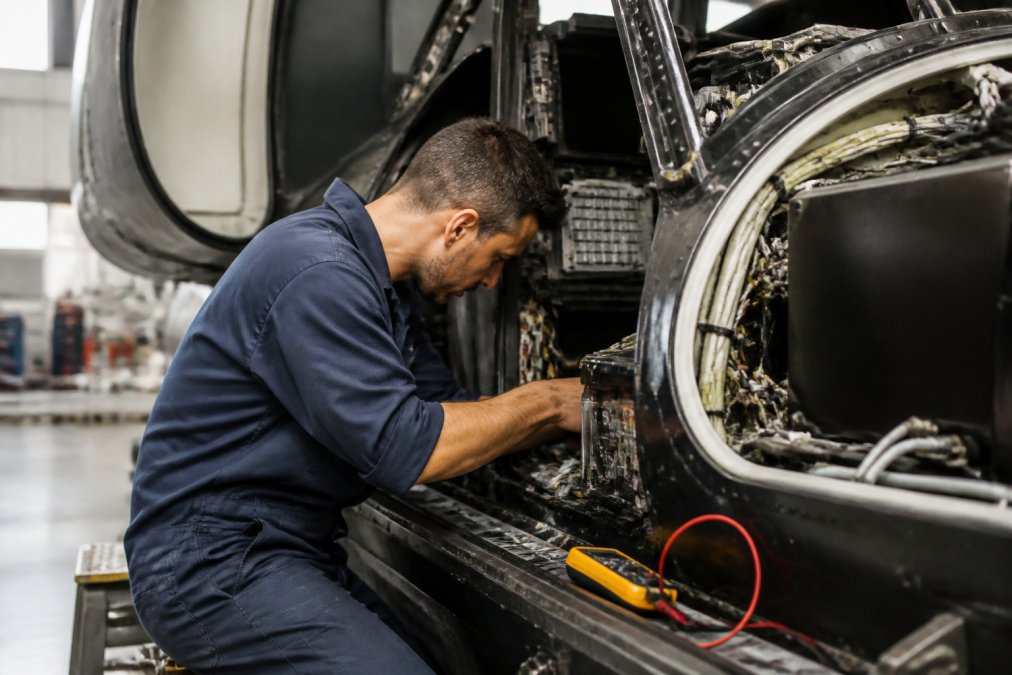
Avionics repair requires specialized training and equipment. A technician must understand not just the individual components but how they communicate across the system. A navigation system failure might stem from antenna issues, receiver problems, or software glitches, proper diagnostics are essential before attempting repairs.
Avionics installation, whether upgrading aging equipment or adding new capability, demands precision. Improper installation can introduce electrical interference, damage existing systems, or create safety hazards. Installation also requires test flights to verify system function and integration with other aircraft systems.
Heavy maintenance encompasses structural inspections, engine overhauls, and major component replacements. These tasks require the aircraft to be in a hangar for extended periods, often weeks or months. Heavy maintenance checks are mandated at specific intervals (typically every 4-6 years for business jets) and involve detailed inspection of the airframe, engines, landing gear, and all major systems.
For aircraft maintenance in Fort Lauderdale, access to comprehensive avionics and heavy maintenance services matters because not every facility has the capability or equipment. 305 Sky's team handles avionics troubleshooting, repair, and installation with modern diagnostic equipment and factory-trained technicians. We also manage heavy maintenance coordination, ensuring your aircraft receives thorough inspection and any necessary structural or system work.
Why Transparency and Local Expertise Matter
Aircraft maintenance is a significant investment. Your aircraft's value, your safety, and your operational reliability depend on the quality of work performed. This is why transparency and local expertise matter more than low-cost providers or distant facilities.
Transparency means clear communication about what work is needed, why it's necessary, and what it costs. A trustworthy facility explains findings in language you understand, shows you the issues when possible, and respects your decision-making authority. No surprises. No pressure to authorize work beyond the scope you approved. No hidden fees.
Local expertise means your maintenance provider understands South Florida's specific environment and operating conditions. Coastal humidity accelerates corrosion. Salt spray affects exterior components. High-density altitude at regional airports affects engine performance. A provider familiar with these factors can recommend preventative measures and maintenance strategies tailored to your actual operating environment.
Local expertise also means faster response times. A facility based in Fort Lauderdale can respond to emergencies quickly. They know the regional airports, understand local regulations, and have relationships with parts suppliers nearby. If your aircraft needs an emergency repair at a remote airstrip, a local provider can mobilize resources faster than a distant facility.
305 Sky's approach emphasizes family-oriented service and transparent communication. Our team has over 55 years of combined aviation experience, with technicians who've worked on diverse aircraft types and understand the nuances of private aviation. We're based in South Florida, so we respond quickly to emergencies and understand the operational challenges our customers face.
When you choose a maintenance provider, consider whether they're treating you as a transaction or as a valued customer. A shop that remembers your aircraft's history, anticipates your maintenance needs, and communicates proactively is worth the relationship. That's what local expertise and transparency deliver.
Conclusion
Aircraft maintenance in Fort Lauderdale requires more than just technical skill, it demands a partner who understands your aircraft, respects your time and budget, and responds when you need help most. Whether you're managing routine inspections, facing an emergency AOG situation, or planning major upgrades, the right maintenance provider makes all the difference in keeping your aircraft safe, compliant, and mission-ready.
305 Sky brings together experienced technicians, comprehensive service capabilities, and 24/7 emergency response to serve private jet owners and operators across South Florida. From routine maintenance and pre-buy inspections to avionics upgrades and heavy maintenance coordination, our team handles every aspect of aircraft care with transparency and expertise. Get a quote today and discover why aircraft owners trust 305 Sky for reliable, honest maintenance and support.
Frequently Asked Questions
What should I look for in a Part 145 repair station?
A FAA certified repair station under Part 145 must demonstrate technical expertise, proper facilities, and quality assurance programs. Verify their certifications directly with the FAA, confirm they hold ratings for your aircraft type, review their maintenance logbooks and service bulletins compliance, and ask for references from similar operators. The best repair stations maintain transparent communication about turnaround times and can handle your specific aircraft systems and component repair needs.
How often should I schedule routine aircraft maintenance?
Most general aviation aircraft require annual inspections as a regulatory baseline, but many operators benefit from more frequent routine inspections and preventative maintenance. The schedule depends on your flight hours, aircraft type, and operational demands. Heavy maintenance checks occur at longer intervals (typically every 4-6 years). Work with your maintenance provider to develop a preventative maintenance plan that minimizes downtime while keeping your aircraft airworthy and compliant with all airworthiness directives.
How does 305 Sky handle emergency aircraft repairs?
305 Sky provides 24/7 AOG support with mobile maintenance vans equipped to respond to on-the-ground emergencies. When your aircraft is grounded, their technicians deploy rapidly to diagnose and repair aircraft systems, get you airworthy again, and minimize operational downtime. Their team combines decades of aviation experience to handle complex troubleshooting and component repair on-site or transport the aircraft to their hangar facilities for more extensive work.
What certifications should a reputable aircraft maintenance facility hold?
A credible facility must hold FAA Part 145 certification as a repair station. Staff should include certified aircraft mechanics with appropriate ratings for your aircraft type. Technicians should maintain current certifications and technical support credentials. The facility should be current on all service bulletins and airworthiness directives, maintain quality assurance programs, and hold liability insurance. Ask for proof of these credentials and verify them independently, this is your assurance of safety and regulatory compliance.
This article was written using GrandRanker