Table of Contents
- Understanding Your Pre-Buy Inspection Report
- Negotiating Aircraft Purchase Price After Inspection Findings
- Aircraft Purchase Agreement Inspection Contingency Options
- Assessing Repair Costs and Timeline
- Common Inspection Failures and What They Mean
- Moving Forward After a Failed Inspection
- Conclusion
Last Updated: August 25, 2026
Understanding Your Pre-Buy Inspection Report
A pre-buy inspection is a comprehensive evaluation of an aircraft's condition before purchase, covering airframe, engines, avionics, and all major systems. This detailed report becomes your roadmap for understanding what needs attention and what negotiating power you actually have. The document itself can be overwhelming, pages of technical findings, maintenance history, and recommendations, but learning to read it correctly separates buyers who make informed decisions from those who panic or overpay for fixes.
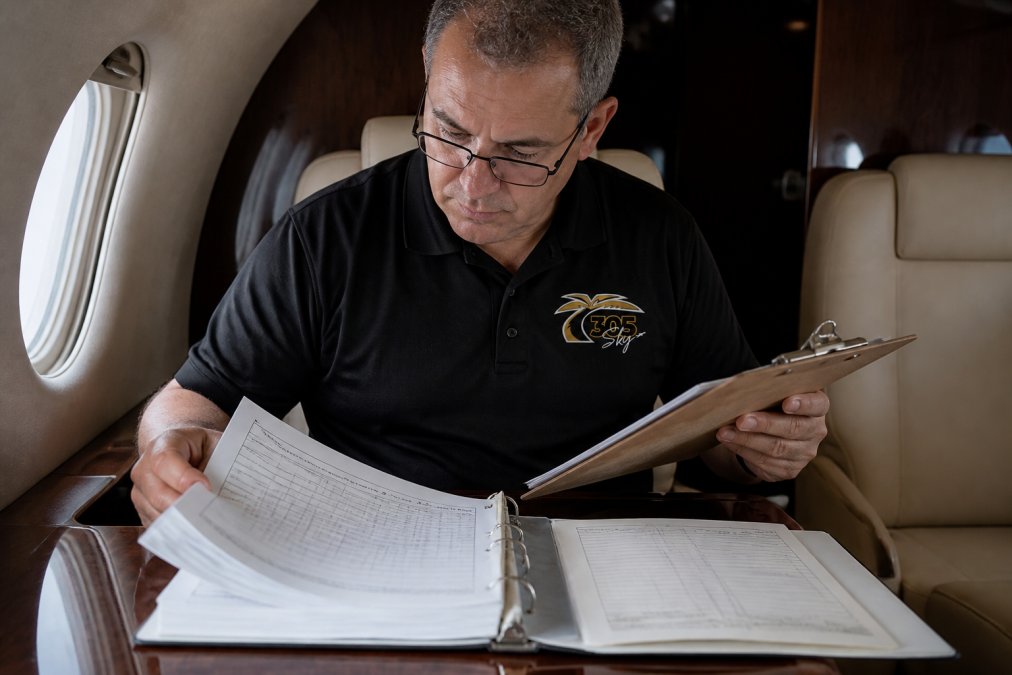
The inspection report typically contains several key sections: a summary of major findings, detailed system-by-system analysis, references to the aircraft maintenance logbook, and a list of discrepancies ranked by urgency. Most reports use a categorization system that flags items as airworthiness issues, maintenance items, or cosmetic concerns. Understanding this hierarchy matters because it directly affects your negotiating position and your decision to walk away.
How to Read an Aircraft Maintenance Logbook
The aircraft maintenance logbook is the aircraft's medical history. It documents every inspection, repair, and service performed on the aircraft since it was manufactured. When reviewing the logbook during a pre-buy inspection, you're looking for patterns: consistent maintenance, proper compliance with airworthiness directives, and evidence that previous issues were resolved correctly.
Pay attention to recurring problems. If the same system fails repeatedly, that's a red flag. Look for gaps in maintenance records, periods where no work was documented. Check that inspections mandated by the Federal Aviation Administration have been completed on schedule (faa.gov). The logbook should show when the aircraft was last flown, when major components were overhauled, and whether service bulletins were addressed. A well-maintained logbook suggests the seller invested in the aircraft's airworthiness. Gaps or sloppy record-keeping suggest deferred maintenance or poor documentation practices.
Major vs. Minor Defects
Not all inspection findings carry equal weight. A major defect affects airworthiness or safety; a minor defect is an annoyance or cosmetic issue. This distinction shapes your entire negotiation strategy.
Major defects include structural damage, engine problems, failed avionics systems critical to flight safety, electrical system failures, or hydraulic leaks (faa.gov). These must be addressed before the aircraft can legally fly. Minor defects include worn interior panels, scratched paint, inoperative cabin lights, or outdated but functional equipment. The seller may offer to fix major items or credit you for repairs. Minor defects are often left for the buyer to address or ignored entirely.
The inspection report should clearly identify which category each finding falls into. If it doesn't, ask the inspector for clarification. This distinction determines whether you're negotiating a deal-breaker or a negotiating point.
Negotiating Aircraft Purchase Price After Inspection Findings
Once you have the inspection report in hand, you're no longer buying blind. You have use. The question is how to use it without losing the deal or overpaying for repairs you could handle yourself.
The goal of post-inspection negotiation is to reach a price or repair arrangement that reflects the aircraft's actual condition. If the seller knew about major defects and didn't disclose them, that's a separate issue, but most inspections reveal problems neither party anticipated. The negotiation that follows determines whether you absorb those costs or the seller does.
Requesting Seller Repairs
Asking the seller to repair major defects is the most straightforward approach. You present the inspection findings, identify the work needed, and request that the seller complete repairs before closing. This keeps the aircraft in the seller's hands and makes them responsible for quality.
The advantage is simplicity: repairs are done under the seller's responsibility, and you take delivery of an aircraft in better condition. The disadvantage is that you lose control over which contractor performs the work and how thoroughly it's done. The seller will likely choose the cheapest option to minimize their cost. If the repair goes wrong, you may discover the problem after purchase when it's too late to hold the seller accountable.
For major structural or engine work, requesting seller repairs makes sense. For smaller items, you might prefer a credit toward closing costs so you can choose your own contractor. This is where your negotiation position matters. If the inspection reveals multiple major issues, the seller may be motivated to repair them rather than risk losing the sale. If the findings are minor, the seller may refuse and hold firm on price.
Asking for Seller Credits or Price Reductions
Seller credits give you cash at closing to pay for repairs yourself. A credit of $15,000 means the purchase price drops by $15,000, and you use that money to hire a contractor of your choice. This approach gives you control over the repair process and the contractor selected.
The advantage is flexibility. You can shop for the best price, choose a trusted mechanic, and oversee the work. The disadvantage is that the credit may not fully cover repair costs, you might need to pay out of pocket. Additionally, once you own the aircraft, you're responsible for any problems discovered during repair. If the contractor finds additional damage, that's on you.
Price reductions are also an option. Instead of crediting repair costs, the seller simply lowers the purchase price. This works when the inspection reveals systemic issues that would be expensive and uncertain to repair. A $30,000 price reduction gives you the flexibility to address problems gradually or leave them if they're not urgent.
Aircraft Purchase Agreement Inspection Contingency Options
Your purchase agreement should include an inspection contingency clause, language that gives you the right to walk away if the inspection reveals major defects. Understanding your options under this clause is critical.
Most purchase agreements allow the buyer to conduct an inspection within a specified period (typically 7-10 days). If major defects are found, the buyer can request repairs, credits, or price reductions. If the seller refuses to negotiate, the buyer can terminate the agreement and recover their earnest money deposit.
Renegotiating Terms
Renegotiating after inspection means going back to the seller with your findings and proposing new terms. This might include requesting specific repairs, asking for a price reduction, or requesting a credit toward closing costs. The seller can accept, counter-offer, or refuse.
Your negotiating use depends on how serious the defects are and how badly the seller wants to sell. If the aircraft is in high demand and your offer is competitive, the seller may refuse to renegotiate, they can simply wait for another buyer. If the inspection reveals significant problems and you're the only serious buyer, the seller has incentive to negotiate rather than lose the sale.
Document everything in writing. Email or written amendments to the purchase agreement ensure both parties understand what's being negotiated and prevent misunderstandings later. Verbal agreements are worthless if a dispute arises.
Walking Away from the Deal
Sometimes the inspection reveals problems serious enough that renegotiation doesn't make sense. Structural damage, major engine issues, or a pattern of deferred maintenance might mean the aircraft isn't worth buying at any price. Your inspection contingency clause protects your right to walk away.
If you terminate under the inspection contingency, your earnest money deposit is returned. You lose any costs you've incurred for the inspection, title search, or pre-purchase due diligence, but you avoid buying a problematic aircraft. This is the hardest decision because it means starting your search over. But buying the wrong aircraft is far more expensive than walking away and finding another one.
Assessing Repair Costs and Timeline
Before negotiating, you need realistic estimates for the repairs the inspection identified. This means getting quotes from qualified aircraft maintenance facilities in Fort Lauderdale or your area.
Contact multiple shops and provide them with the inspection findings. Ask for written estimates that break down labor, parts, and timeline. Major engine work can take weeks or months. Avionics upgrades depend on parts availability. Structural repairs require FAA approval and specialized expertise. A realistic timeline helps you understand whether repairs can be completed before you need to use the aircraft.
Don't rely on the seller's estimate or the inspector's rough guess. Get actual quotes from shops that will do the work. This gives you concrete numbers for negotiation. If the seller says "I can get that fixed for $5,000" but three quotes come in at $12,000, you have data to support a price reduction or credit request.
Common Inspection Failures and What They Mean
Certain defects appear repeatedly across aircraft inspections. Understanding what they mean and how serious they are helps you interpret your own inspection report.
Structural and Airframe Issues
Corrosion, cracks, or delamination in the airframe are serious. These affect the aircraft's structural integrity and require FAA-approved repair or replacement of affected components. Corrosion is common in aircraft operated near salt water, particularly in South Florida where the marine environment accelerates oxidation (peer-reviewed research). Minor surface corrosion can be cleaned and sealed. Deep corrosion that compromises structural strength requires more extensive repair.
Cracks in the fuselage or wings are airworthiness issues. They must be repaired before the aircraft can fly. The repair process involves removing the damaged section, installing reinforcement, and undergoing FAA inspection. This is expensive and time-consuming. If the inspection identifies structural cracks, expect significant repair costs and timeline delays.
Engine and Propulsion System Defects
Engine problems are among the most expensive repairs. Common findings include low compression, oil leaks, or metal debris in the oil filter indicating internal wear. Low compression on one or more cylinders suggests the engine is wearing out. Metal debris suggests bearing wear or internal damage.
Engine overhaul or replacement can cost tens of thousands of dollars and take months. If the inspection identifies engine issues, get a detailed assessment from an engine specialist. Some problems are minor and can be monitored. Others require immediate attention. The engine's time since overhaul matters too, if the engine is near its overhaul limit, you'll need to budget for that work regardless of current condition.
Avionics and Safety System Failures
Outdated or inoperative avionics are common findings. Older aircraft may have legacy navigation systems that no longer meet modern standards. Inoperative autopilot, communication systems, or weather radar are functional problems that need fixing before the aircraft can be safely operated.
Avionics upgrades can be expensive, but unlike structural or engine work, they're often optional depending on how you plan to use the aircraft. If you're flying visual flight rules in good weather, older avionics may be acceptable. If you need to fly in instrument conditions or at night, modern systems are essential. This is where your intended use of the aircraft shapes your repair priorities.
Moving Forward After a Failed Inspection
A failed inspection doesn't mean you can't buy the aircraft. It means you have information you didn't have before. Use that information to make a rational decision.
If major defects are identified, you have three paths: request the seller repair them, negotiate a price reduction or credit, or walk away. Each path has trade-offs. Repairs under the seller's responsibility are simpler but may be done cheaply. Credits give you control but require you to manage contractors and absorb unexpected costs. Walking away is the safest option but means starting your search again.
Document all negotiations in writing. Get written estimates for repairs. Understand the timeline for completing work. If you proceed with the purchase, ensure the purchase agreement clearly states what repairs the seller will complete or what credit you'll receive.
If you're in South Florida and considering purchasing an aircraft, working with an experienced pre-buy inspector and a qualified maintenance facility makes the process clearer. 305 Sky provides comprehensive aircraft inspections and can help you understand inspection findings, assess repair options, and connect you with qualified contractors. With 55 years of combined aviation experience across our team, we've seen every type of inspection finding and can help you navigate the decision confidently.
Buying an aircraft is one of the largest investments you'll make. A failed pre-buy inspection can feel like a setback, but it's actually protection. You now know the aircraft's condition and can make an informed decision. Whether you negotiate repairs, request credits, or walk away, you're doing so with facts instead of guesses. At 305 Sky, we understand the anxiety of post-inspection negotiations and the importance of getting accurate repair assessments. Our team in Fort Lauderdale is ready to help you evaluate findings, obtain realistic repair estimates, and move forward with confidence. Get a quote from 305 Sky today and let our aviation experts guide you through the process.
Frequently Asked Questions
Q: Can you still buy an aircraft if the pre-buy inspection fails?
A: Yes, a failed pre-buy inspection doesn't automatically block the purchase. You have several paths forward: negotiate repairs with the seller, request a price reduction or seller credit to cover fixes yourself, or proceed as-is if the defects are acceptable to you. Your purchase agreement's inspection contingency determines whether you can walk away without penalty. Many buyers successfully complete purchases after failed inspections by addressing critical issues through negotiation.
Q: Who pays for repairs after a failed pre-buy inspection?
A: That depends entirely on your negotiation with the seller. Typically, the buyer pays for the pre-buy inspection itself. After inspection results come back, you can request the seller cover repair costs, split them, or accept a price reduction to handle repairs independently. Your purchase agreement's terms and your negotiating position determine the outcome. If the aircraft has significant undisclosed defects, the seller may be motivated to cover repairs to keep the deal alive.
Q: What should I do if major structural defects appear in the inspection report?
A: Major structural defects, such as cracks in the airframe, corrosion affecting load-bearing components, or damage to the fuselage, require immediate expert evaluation. Structural repairs are expensive and time-intensive. Request a detailed repair estimate from a qualified maintenance facility, then decide whether to negotiate a substantial price reduction, ask the seller to complete repairs before closing, or exercise your inspection contingency to walk away. Structural integrity directly affects airworthiness and resale value, so this warrants careful consideration.
Q: How long does it typically take to fix common inspection failures?
A: Timeline depends on the defect type. Minor issues like worn hoses or outdated avionics can be resolved in days to weeks. Engine overhauls, corrosion remediation, or major system replacements may take weeks or months. Before committing to repairs, get a detailed timeline estimate from the maintenance facility. Factor this into your decision: can you wait for repairs, or do you need the aircraft operational by a specific date? Repair delays can affect your purchase timeline and financing.
This article was written using GrandRanker