Table of Contents
- Why Local Aircraft Maintenance Matters for South Florida Operators
- FAA Aircraft Inspection Requirements for Private Aircraft Owners
- Aircraft Annual Inspection Checklist and What to Expect
- AOG Emergency Aircraft Repair in Fort Lauderdale: 24/7 Response
- How to Choose an Aircraft Maintenance Provider Near You
- Pre-Buy Inspections: What Aircraft Buyers Need to Know
- Beyond Routine Maintenance: Avionics and Interior Upgrades
- Conclusion
Last Updated: August 19, 2026
Why Local Aircraft Maintenance Matters for South Florida Operators
When your aircraft is grounded, every hour costs money. South Florida's unique aviation environment, high humidity, salt air corrosion, frequent tropical weather patterns, and constant operational demands, requires maintenance providers who understand the region's specific challenges. Finding aircraft maintenance near me isn't just about convenience; it's about partnering with someone who knows your aircraft, your operation, and the regulatory landscape you navigate daily.
305 Sky has spent over 55 years building expertise across South Florida's aviation community. The difference between a generic maintenance shop and a local specialist shows up in response time, regulatory knowledge, and the ability to anticipate problems before they ground your aircraft. When you need AOG support at 2 AM on a Sunday, proximity and local relationships matter more than any other factor.
This guide covers what you need to know about aircraft maintenance in Fort Lauderdale and the surrounding region: regulatory requirements, inspection protocols, emergency response capabilities, and how to evaluate providers so you're not scrambling when something breaks.
FAA Aircraft Inspection Requirements for Private Aircraft Owners
Your aircraft must comply with Federal Aviation Administration standards for airworthiness. The FAA mandates regular inspections to ensure your aircraft remains safe and legal to operate. Understanding these requirements protects you from costly violations and keeps your operation compliant.
Annual inspections are the baseline requirement for most private aircraft. An FAA-certified airframe and powerplant mechanic (A&P) must conduct a comprehensive inspection of your aircraft's structure, systems, and components every 12 calendar months or every 100 hours of operation, whichever comes first. This inspection covers everything from the airframe integrity to engine condition, avionics functionality, and safety equipment.
Beyond the annual inspection, the FAA requires 100-hour inspections for aircraft used for commercial purposes, charter operations, or flight instruction. These inspections are more detailed than annuals and follow the same checklist standards. If you operate your aircraft commercially, even occasionally, you cannot skip this requirement.
Progressive inspections offer an alternative to traditional annuals for some operators. Rather than grounding your aircraft for a week-long inspection, progressive inspections spread the work across multiple smaller visits, allowing you to maintain operational availability while staying compliant. This approach works best for high-use aircraft and requires FAA approval and a qualified maintenance provider experienced in progressive inspection protocols.
Airworthiness directives (ADs) issued by the FAA require specific maintenance actions on certain aircraft models or components. These aren't optional, they're mandatory compliance items tied to known safety issues. Your maintenance provider must track applicable ADs and ensure compliance before your aircraft flies.
FAA regulations on aircraft maintenance and inspection establish the legal framework for all these requirements. Staying current with FAA standards isn't just about avoiding fines; it's about ensuring your aircraft is genuinely airworthy and safe for you, your passengers, and everyone on the ground.
Aircraft Annual Inspection Checklist and What to Expect
An annual inspection is thorough and time-intensive. Knowing what happens during this process helps you understand the scope of work and why experienced providers charge what they do for this service.
The inspection begins with a complete exterior walk-around. The mechanic examines the fuselage for cracks, corrosion, or damage. In South Florida's humid, salt-laden environment, corrosion prevention is critical. The inspection covers control surfaces (ailerons, elevators, rudder), hinges, fasteners, and structural integrity. Any sign of deterioration gets documented and addressed.
Engine inspection involves removing cowling, checking spark plugs, inspecting magnetos, examining fuel systems, and verifying proper oil and coolant levels. The mechanic runs the engine to check for abnormal vibration, unusual sounds, or instrument anomalies. Engine logs are reviewed to track maintenance history and identify patterns.
Avionics and electrical systems receive detailed attention. Every instrument, radio, autopilot component, and electrical connection is tested for functionality and proper operation. In Fort Lauderdale's busy airspace, reliable avionics aren't luxuries, they're essential safety equipment.
Landing gear, brakes, and tires are inspected for wear, proper operation, and safety compliance. Hydraulic systems are checked for leaks and proper pressure. Flight control systems are tested through full range-of-motion checks.
Interior inspection covers seats, safety belts, emergency equipment, and cabin systems. Fire extinguishers are verified, oxygen systems are checked, and emergency exits are confirmed operational.
The inspection typically requires 40-80 hours of labor depending on aircraft type and condition. Expect your aircraft to be unavailable for 5-10 business days. Any discrepancies found during the inspection must be corrected before the aircraft can return to service, this is non-negotiable for regulatory compliance.
AOG Emergency Aircraft Repair in Fort Lauderdale: 24/7 Response
Aircraft on ground (AOG) situations demand immediate response. An engine failure, avionics malfunction, or structural damage discovered during preflight can ground your aircraft at any time, day or night. The difference between a provider who answers the phone at 2 AM and one who doesn't is the difference between losing a day of operations and losing a week.
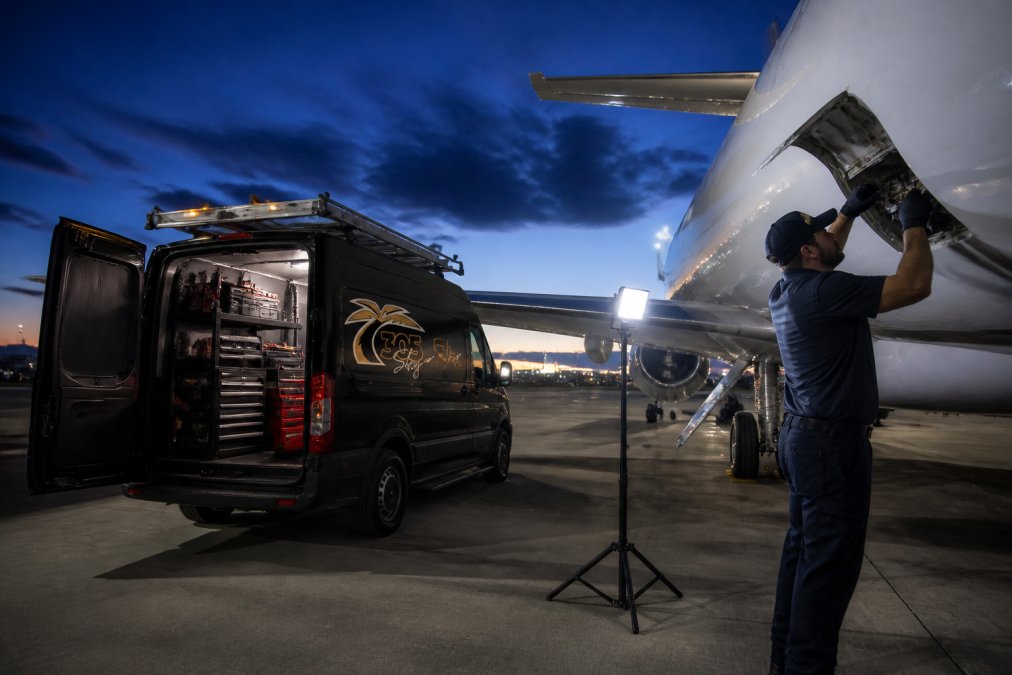
305 Sky operates 24/7 AOG response across South Florida with mobile maintenance vans equipped to handle emergency repairs on-site. This means your aircraft doesn't have to be towed to a hangar for initial diagnosis and repair. Critical issues get addressed where the aircraft sits, minimizing downtime and operational disruption.
When you call with an AOG situation, you're not reaching an answering service, you're reaching experienced technicians who understand your aircraft type and can assess the problem immediately. The response team arrives with diagnostic equipment and common replacement parts, ready to troubleshoot and repair. For issues requiring shop-level work, the team coordinates towing and expedited hangar access.
Response time matters. A 30-minute response versus a 4-hour response is the difference between making your next scheduled flight and canceling it. In South Florida's competitive aviation market, that's the difference between maintaining your reputation and losing clients.
AOG support standards in aviation maintenance emphasize the critical importance of rapid response and qualified technicians. Your AOG provider should have A&P mechanics on call, not just dispatchers.
How to Choose an Aircraft Maintenance Provider Near You
Selecting the right maintenance provider is one of the most important decisions you'll make as an aircraft owner. This choice affects your safety, regulatory compliance, operational reliability, and budget. The wrong choice can ground your aircraft, create compliance headaches, and cost thousands in unnecessary repairs.
Certifications and Experience
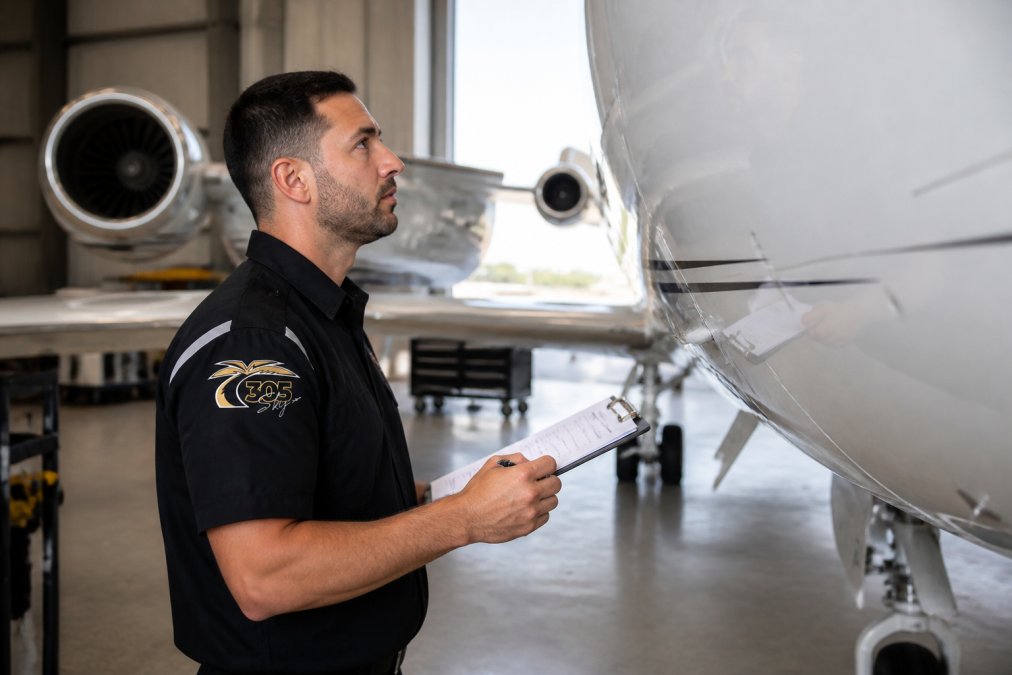
Your maintenance provider must hold FAA certifications for the specific work they perform. FAA Part 145 certification means the facility meets federal standards for maintenance, repair, and alteration services. This certification covers everything from facility standards to record-keeping requirements to technician qualifications.
Individual mechanics must hold Airframe and Powerplant (A&P) certificates issued by the FAA. An A&P mechanic has demonstrated knowledge of aircraft systems, maintenance procedures, and regulatory compliance through written exams and practical testing. Not all mechanics are created equal, experience with your specific aircraft type matters significantly.
Ask potential providers about their experience with your aircraft make and model. A provider with 20 years of King Air maintenance knows the quirks, common issues, and efficient repair procedures for that platform. Someone with general experience across all aircraft types may take longer to diagnose problems and miss subtle issues.
FAA certification requirements for aircraft maintenance facilities establish the baseline standards. Beyond the minimum, look for providers who pursue additional training, manufacturer certifications, and industry specializations.
Transparency in Pricing and Communication
Maintenance costs are predictable for routine work and unpredictable for repairs. A transparent provider explains the difference upfront and communicates clearly about what they find and what it costs to fix.
Ask about their labor rates, shop rates, and how they handle parts pricing. Some providers mark up parts significantly; others pass through manufacturer costs with minimal markup. Understanding their pricing model prevents surprises when you get the invoice.
Request written estimates before authorizing major work. The estimate should itemize labor, parts, and any additional costs. If the technician discovers additional issues during inspection, they should contact you before proceeding, not present you with a surprise bill after the fact.
Communication matters as much as pricing. Regular updates on repair progress, honest assessments of aircraft condition, and clear explanations of technical issues build trust. A provider who explains problems in language you understand and respects your time is worth more than a slightly cheaper shop that leaves you guessing.
Full-Service Capabilities
Ideally, your maintenance provider handles routine maintenance, emergency repairs, inspections, and upgrades under one roof. Coordinating between multiple shops creates scheduling headaches, communication gaps, and delays.
305 Sky provides comprehensive services across South Florida, routine maintenance, AOG emergency response, annual inspections, pre-buy inspections, avionics upgrades, and interior refurbishment. This full-service model means you're not juggling multiple vendors or waiting for referrals when something breaks.
Ask potential providers about the scope of services they offer in-house versus outsourcing. Some shops farm out avionics work, paint jobs, or interior upgrades to other vendors. This isn't necessarily bad, but it adds coordination complexity and delays. A provider with in-house capabilities for your anticipated needs reduces friction and keeps your aircraft on schedule.
Pre-Buy Inspections: What Aircraft Buyers Need to Know
Purchasing an aircraft is a major investment. A pre-buy inspection protects you by identifying mechanical issues, deferred maintenance, and hidden problems before you commit to the purchase. Skipping this step or using an inexperienced inspector is false economy.
A comprehensive pre-buy inspection covers everything a standard annual inspection does, plus additional scrutiny of systems, components, and the overall condition of the airframe. The inspector examines maintenance records to identify patterns of neglect or recurring issues. They test all avionics, flight controls, and systems under realistic operating conditions.
The inspection typically requires 30-50 hours of work and costs significantly less than discovering major issues after you own the aircraft. An inspector who finds a cracked engine case, corroded fuel tanks, or failing avionics saves you from inheriting someone else's problems.
Choose an inspector independent from the seller and the broker facilitating the sale. This ensures the inspection is unbiased and focuses on your interests, not on closing the deal quickly. An experienced inspector familiar with your intended aircraft type will spot issues a generalist might miss.
Request a detailed written report documenting all findings, recommendations, and estimated costs for any repairs or maintenance items. This report becomes your baseline for negotiating price adjustments or requesting the seller address critical issues before closing.
Beyond Routine Maintenance: Avionics and Interior Upgrades
Modern avionics transform older aircraft into capable, safe platforms for contemporary flying. Upgrading from legacy steam gauges to glass cockpit systems like Garmin G1000 NXi improves situational awareness, reduces pilot workload, and enhances safety margins significantly.
Interior upgrades, new seats, updated cabin lighting, refurbished lavatories, and sound-dampening improvements, increase comfort and resale value. A dated cabin interior makes even a mechanically sound aircraft feel like a relic. Thoughtful upgrades modernize the flying experience.
305 Sky handles avionics installations and interior transformations, coordinating the technical work with your operational schedule to minimize downtime. Whether you're upgrading a single avionics system or completely refurbishing the cabin, experienced technicians ensure quality installation and proper system integration.
Avionics upgrades require careful planning. New glass cockpit systems integrate with autopilots, autopilot trim systems, fuel management computers, and engine monitoring systems. Installation mistakes create cascading problems. Work with providers experienced in your specific aircraft type and avionics platform.
Interior work ranges from cosmetic updates to structural modifications. Seat reupholstering, cabin carpet replacement, and lighting upgrades are straightforward. More complex projects like galley modifications or lavatory relocations require structural analysis and FAA approval for certain changes.
Finding the right aircraft maintenance provider near you in Fort Lauderdale means partnering with someone who understands your aircraft, respects your time, and communicates transparently about costs and timelines. 305 Sky combines 55+ years of combined aviation experience with 24/7 emergency response, comprehensive in-house capabilities, and a transparent, family-oriented approach to aircraft care. Whether you need routine maintenance, AOG emergency support, pre-buy inspections, or avionics upgrades, having a trusted local partner eliminates the stress of coordinating multiple vendors and wondering if your aircraft is receiving the attention it deserves. Get a quote from 305 Sky and experience the difference that local expertise and genuine customer care make in keeping your aircraft airworthy, compliant, and ready to fly.
Frequently Asked Questions
How often does an aircraft require a mandatory inspection in the US?
Private aircraft must pass an annual inspection (also called an annual condition inspection) every 12 calendar months or 100 hours of flight time, whichever comes first. Additionally, aircraft require a 100-hour inspection if operated for compensation. The FAA also mandates progressive inspections for some aircraft. Staying current with these requirements keeps your aircraft airworthy and maintains insurance compliance. Your maintenance provider can track these deadlines and schedule inspections before they expire.
What should I look for in a Fort Lauderdale aircraft maintenance provider?
Verify certifications (A&P mechanics, FAA authorization), ask for references from operators in your area, and confirm they offer the full scope of services you need, routine maintenance, emergency AOG response, and any specialized work like avionics upgrades. Transparency in pricing and communication is essential; a good provider explains what's needed and why. Experience matters: look for technicians with proven track records and deep knowledge of your aircraft type.
How do I handle an AOG (Aircraft on Ground) situation in South Florida?
Contact your maintenance provider immediately, 24/7 availability is critical for AOG emergencies. A responsive provider should dispatch a mobile unit to your location to diagnose and repair the issue quickly, minimizing downtime. Have your aircraft's logbooks and maintenance history ready. Document the problem clearly so technicians can assess it efficiently. Pre-arranging an AOG contract with a trusted local provider ensures you have rapid support when you need it most.
What is included in a standard aircraft annual inspection?
An annual inspection covers the airframe, engine, systems, avionics, and interior. Technicians inspect for corrosion, wear, proper operation of controls, fluid levels, tire condition, and battery health. They review maintenance records and logbooks, test all systems, and perform required lubrication. The inspection ensures the aircraft meets FAA airworthiness standards. Any defects found must be corrected before the aircraft can be flown legally. Your maintenance provider will provide a detailed report of findings and recommended repairs.
This article was written using GrandRanker