Table of Contents
- What Is an Aircraft Engine Overhaul?
- Understanding TBO and Aircraft Engine Meaning in Maintenance
- Aircraft Engine Factory Rebuild vs. Overhaul: Key Differences
- IRAN vs. Overhaul: When Each Option Makes Sense
- Aircraft Engine Overhaul Cost Breakdown and Hidden Expenses
- Financial ROI: Resale Value, Insurance, and Long-Term Impact
- Choosing the Right Overhaul Shop: What Matters Most
- Conclusion
Last Updated: August 16, 2026
What Is an Aircraft Engine Overhaul?
An aircraft engine overhaul is a comprehensive disassembly, inspection, and restoration of an aircraft engine to manufacturer specifications. Technicians remove the engine, disassemble it completely, inspect every component for wear and damage, replace or repair parts as needed, and reassemble it to like-new condition. The goal is to restore the engine to full operational capability and reset its service life.
This differs fundamentally from routine maintenance. While regular inspections and oil changes keep an engine running safely, an overhaul involves deep-level restoration. Every piston, crankshaft, cylinder, valve, bearing, and seal gets scrutinized. Metal contamination analysis, compression testing, and dimensional checks ensure nothing is missed.
The overhaul process typically takes 4 to 12 weeks depending on engine type, condition, and shop capacity. For aircraft owners in South Florida managing their own operations, understanding what happens during an overhaul and whether it makes financial sense is critical to long-term aircraft ownership strategy. At 305 Sky, we've helped numerous aircraft owners navigate this decision by breaking down the real costs, benefits, and timing involved.
Understanding TBO and Aircraft Engine Meaning in Maintenance
Time Between Overhaul (TBO) is the manufacturer's recommended maximum operating hours before an aircraft engine must be overhauled. It's a maintenance guideline based on the engine's design and expected service life, not a legal requirement. A typical piston aircraft engine might have a TBO of 1,800 to 2,000 hours, while turbine engines can run much longer.
Reaching TBO doesn't automatically mean your engine is failing. An engine running strong at 1,950 hours on a 2,000-hour TBO is still performing normally. However, once you exceed TBO, your insurance may not cover engine-related failures, and resale value drops significantly.
The FAA doesn't mandate overhauls at TBO for general aviation aircraft. That decision rests with the owner. However, exceeding TBO without an overhaul or major inspection creates liability exposure. If an engine failure occurs, insurance claims can be denied, and the aircraft becomes harder to sell or finance.
Different engine types have different TBO intervals. Lycoming O-360 engines commonly have 1,800-hour TBOs, while Continental engines might be 2,000 hours. Your engine's logbook documentation will specify the exact TBO for your aircraft.
Aircraft Engine Factory Rebuild vs. Overhaul: Key Differences
Many aircraft owners confuse overhauls with factory rebuilds. They're related but distinct processes with different costs and outcomes.
A factory rebuild is performed by the engine manufacturer (Lycoming, Continental, or Pratt & Whitney) and involves complete disassembly, inspection, replacement of all wear items, and reassembly to factory specifications. Factory rebuilds come with a new or zero-time logbook and typically include a warranty. They're the most expensive option but offer the highest confidence in engine condition.
An overhaul performed by an independent shop follows manufacturer guidelines but may use overhauled components rather than all new parts. The engine is brought back to serviceable condition, but it's not necessarily "like new." Independent overhauls cost less than factory rebuilds and are perfectly acceptable for general aviation operations.
A factory rebuild replaces everything; an independent overhaul replaces what's worn and repairs what's serviceable. Both restore airworthiness, but factory rebuilds come with stronger warranties and higher resale appeal.
For owners in Fort Lauderdale and the broader South Florida region, the choice depends on your budget, aircraft value, and how long you plan to keep the aircraft. A high-value aircraft or one you intend to sell soon might justify a factory rebuild. A personal-use aircraft you'll keep for years might be better served by a quality independent overhaul.
| Option | Cost Relative | Warranty | Logbook Reset | Best For |
|---|---|---|---|---|
| Factory Rebuild | Highest | Comprehensive | Yes (zero-time) | High-value aircraft, resale focus |
| Independent Overhaul | Moderate | Limited | Partial | Long-term owners, budget-conscious |
| IRAN (see below) | Lowest | Minimal | No | Extending engine life, short-term |
IRAN vs. Overhaul: When Each Option Makes Sense
IRAN stands for Inspect and Repair As Necessary. It's a less invasive alternative to a full overhaul where technicians inspect the engine in place or partially disassembled and repair only what's broken or worn. Components that pass inspection are left alone.
IRAN costs significantly less than an overhaul and takes less time. If your engine is running well and you're not at TBO yet, an IRAN inspection might reveal years of remaining service life. However, IRAN doesn't reset your engine's service life the way an overhaul does.
An IRAN inspection identifies problems; an overhaul prevents them. If an IRAN reveals major issues, you're back to deciding whether to overhaul or continue operating with repairs.
IRAN makes sense when you're approaching TBO but your engine runs smoothly and recent oil analysis shows no metal contamination. An IRAN can confirm the engine's true condition and potentially extend its life by another 200-400 hours while you plan for an eventual overhaul.
An overhaul makes sense when you've exceeded TBO, when you're selling the aircraft, when you want insurance peace of mind, or when you plan to keep the aircraft long-term. An overhaul also resets your logbook, which is valuable for resale.
Many owners use IRAN as an interim step: perform an IRAN inspection, get a detailed report, and use that data to decide whether to overhaul now or defer it. This approach can save money and reduce uncertainty.
Aircraft Engine Overhaul Cost Breakdown and Hidden Expenses
The cost of an aircraft engine overhaul depends on engine type, condition, and shop location. Piston engine overhauls typically range from mid-five figures to low six figures. Turbine engine overhauls are substantially higher. However, the headline cost is only part of the story; hidden expenses often surprise owners.
Direct overhaul costs include:
- Engine removal and installation labor
- Complete disassembly and inspection
- Component replacement (pistons, cylinders, bearings, seals)
- Reassembly and testing
- Mandatory service bulletins and airworthiness directives
- Logbook documentation and certification
Hidden expenses that catch owners off guard:
- Aircraft downtime costs (hangar rental, lost revenue for charter operations)
- Unexpected component damage discovered during teardown
- Propeller overhaul (often needed when the engine is removed)
- Accessory overhauls (alternator, starter, vacuum pump)
- Certification and inspection fees
For aircraft owners in Fort Lauderdale operating on tight budgets, these hidden costs can add 20-30% to the initial quote. A $60,000 overhaul estimate can easily become $75,000 once all associated work surfaces.

The best defense is a detailed pre-overhaul inspection and a comprehensive quote that itemizes every anticipated cost. Reputable shops like 305 Sky provide transparent pricing upfront, including contingencies for unexpected findings. Avoid shops that give vague estimates or resist detailing what's included.
Financial ROI: Resale Value, Insurance, and Long-Term Impact
The financial case for an aircraft engine overhaul isn't just about keeping the plane flying. It's about resale value, insurance coverage, and long-term ownership costs.
Resale value impact: An aircraft with a recently overhauled engine commands a premium. Buyers are willing to pay more because they know the engine has years of service life ahead. An aircraft with an engine near or past TBO is harder to sell and sells for less. If you're planning to sell within 3-5 years, an overhaul often pays for itself in higher resale price.
Insurance implications: Most aircraft insurance policies exclude engine-related failures if the engine is beyond TBO. Maintaining TBO compliance, either through overhaul or recent IRAN inspection with documented good condition, keeps your coverage intact. This alone justifies the cost for many owners.
Long-term ownership costs: An overhauled engine runs more efficiently, consuming less fuel and requiring fewer repairs. Over 500-1,000 hours of operation, these savings can offset part of the overhaul cost. Additionally, an overhauled engine has predictable maintenance: you know you've got 1,800-2,000 hours before the next major event.
Operating costs for charter or commercial operations: If your aircraft generates revenue through charter flights or commercial operations, downtime during overhaul is costly. However, an engine failure mid-operation is catastrophic, grounding the aircraft indefinitely and creating liability exposure. For operators in South Florida running active charter schedules, the overhaul cost is a business expense that prevents much larger losses.
Consider this scenario: a charter operator defers an overhaul to save money. The engine fails 200 hours later, grounding the aircraft for 8-12 weeks. Lost revenue, emergency repairs, and potential liability claims far exceed what a planned overhaul would have cost. Timing the overhaul during a planned maintenance window prevents this outcome.
Choosing the Right Overhaul Shop: What Matters Most
Not all overhaul shops are created equal. The difference between a mediocre overhaul and an excellent one can affect your engine's reliability for years.
What to look for in an overhaul shop:
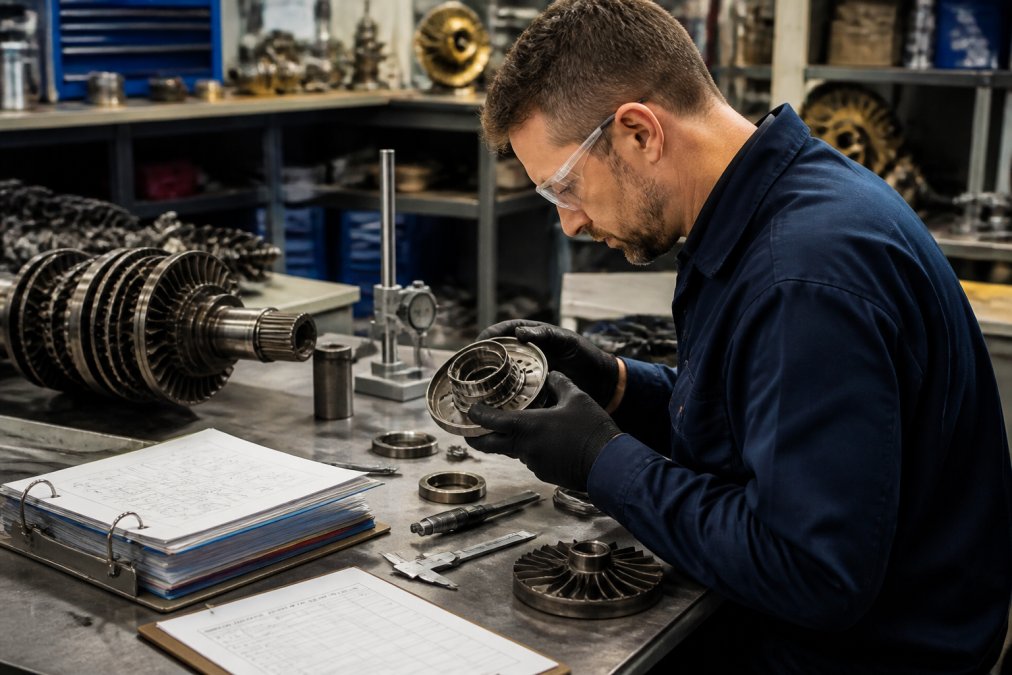
Certifications and credentials: The shop should hold FAA Part 145 certification, which means they're authorized to perform major repairs and overhauls on certified aircraft. They should also have specific engine manufacturer approvals (Lycoming, Continental, Pratt & Whitney). These certifications are mandatory for work on certificated aircraft.
Experience with your specific engine: A shop experienced with Lycoming engines might be less familiar with Continental engines. Ask how many overhauls they've completed on your exact engine model and request references from recent customers.
Transparency in pricing and communication: The best shops provide detailed pre-overhaul inspections, itemized quotes, and regular communication during the process. They explain what they find, why it matters, and what it costs. In Fort Lauderdale, 305 Sky is known for this transparent approach, breaking down costs upfront and explaining every decision.
Quality of documentation: Your engine's logbook is its history. A quality shop maintains meticulous records, documents every component replaced, includes photos of major findings, and provides a detailed overhaul report. This documentation is invaluable for resale and insurance purposes.
Warranty on work performed: Reputable shops stand behind their overhauls with warranties covering parts and labor for a specified period (typically 1-2 years or 500 hours). This gives you recourse if something goes wrong shortly after overhaul.
Turnaround time and communication: A professional shop can give you realistic timelines and updates. They don't leave your aircraft sitting for months without explanation and have contingency plans if unexpected issues surface during teardown.
Red flags to avoid:
- Shops that won't provide references
- Vague pricing or reluctance to detail what's included
- No clear timeline or communication plan
- Lack of Part 145 certification or engine manufacturer approvals
- Shops that pressure you into decisions or rush the inspection process
- No warranty on work performed
For aircraft owners in the Fort Lauderdale, Boca Raton, and West Palm Beach areas, proximity matters. A local shop can provide ongoing support and faster turnaround if issues arise post-overhaul.
Conclusion
Is an aircraft engine overhaul worth it? For most aircraft owners, the answer is yes when timed strategically.
An overhaul protects your insurance coverage, maintains resale value, ensures reliable operation, and gives you years of predictable engine life. The upfront cost is significant, but deferring an overhaul often leads to higher costs later: denied insurance claims, lower resale prices, or catastrophic engine failures.
The real question isn't whether to overhaul, but when. If you're approaching TBO, planning to sell, or operating commercially, an overhaul is a sound investment. If you're years away from TBO and your engine runs strong, an IRAN inspection can buy you time and data to make a better decision.
305 Sky helps aircraft owners in South Florida navigate this decision with transparent analysis, detailed inspections, and honest guidance. With 55+ years of combined aviation experience and a commitment to family-oriented service, our team can evaluate your engine's condition, explain your options, and help you plan the right maintenance strategy for your aircraft. Whether you need a pre-purchase inspection, overhaul consultation, or comprehensive maintenance planning, get in touch for a quote and let's ensure your aircraft stays airworthy and valuable.
Frequently Asked Questions
How often does an aircraft engine need overhaul?
Most piston aircraft engines require overhaul at their Time Between Overhaul (TBO) limit, typically between 1,200 and 2,000 hours of flight time, depending on engine type and manufacturer specifications. Some owners choose to overhaul before TBO if the engine shows signs of wear or metal contamination in oil analysis. Turbine engines follow different schedules set by the manufacturer. Regular oil analysis helps determine actual engine condition and can guide overhaul timing decisions.
What is the difference between a factory rebuild and an overhaul?
A factory rebuild involves returning the engine to the manufacturer, who completely disassembles, inspects, and rebuilds it to original specifications using new or overhauled components. An overhaul can be performed by an authorized overhaul shop and involves disassembly, inspection, and replacement of worn parts to restore airworthiness. Factory rebuilds typically carry longer warranties and may command higher resale value, while overhauls are generally more cost-effective. Both reset engine time for insurance and resale purposes.
Does an engine overhaul increase the resale value of an aircraft?
Yes, a recent overhaul or factory rebuild significantly improves resale value and aircraft marketability. Buyers view low engine time as a major asset, often justifying a price premium. A freshly overhauled engine reduces buyer concerns about catastrophic failure and maintenance costs. However, the resale value gain depends on overall aircraft condition, market demand, and how recently the overhaul was completed. Proper logbook documentation of the overhaul is essential to realize this value.
Can an A&P mechanic perform an engine overhaul?
An A&P (Airframe and Powerplant) mechanic can perform certain engine work, but only an FAA-approved overhaul shop with specific engine authorization can conduct a full overhaul. Overhauls require specialized equipment, procedures, and mandatory service bulletins that go beyond standard A&P certification. An A&P can assist with teardown, inspection, and reassembly under shop supervision, but the overhaul must be signed off by an authorized facility to restore the engine's airworthiness certificate and maintain insurance coverage.
What should I look for in an overhaul shop?
Choose a shop with FAA authorization for your specific engine type, verifiable maintenance records, and transparent pricing practices. Confirm they follow all mandatory service bulletins, perform thorough crankshaft inspection and cylinder compression testing, and provide detailed logbook documentation. Ask about their metal contamination analysis procedures and component replacement standards. References from other aircraft owners and evidence of insurance coverage are essential. A shop's ability to explain the overhaul process clearly and answer technical questions indicates professionalism and expertise.
This article was written using GrandRanker