
Table of Contents
- Understanding Aircraft on Ground (AOG) Situations
- How to Identify an Aircraft on Ground Emergency
- Emergency Aircraft Maintenance in Fort Lauderdale: Your First Steps
- Reporting Procedures and Authorities to Contact
- Aircraft Maintenance Downtime Reduction During AOG Events
- Safety Guidelines While an Aircraft Is Grounded
- Resources and Support for Aircraft Owners
Last Updated: August 18, 2026
Understanding Aircraft on Ground (AOG) Situations
An aircraft on ground situation occurs when an aircraft becomes unserviceable and cannot fly due to mechanical, electrical, or structural issues. Every hour of downtime represents lost revenue, missed charter opportunities, and operational disruption. At 305 Sky, we understand that AOG events are emergencies requiring immediate, expert response.
Most aircraft owners don't realize that preparation matters more than panic. The teams that handle AOG events most effectively have already established relationships with qualified maintenance providers, understand their aircraft's common failure points, and know exactly who to call when trouble strikes.
How to Identify an Aircraft on Ground Emergency
Recognizing an AOG situation starts with understanding what makes a problem urgent versus routine. Common AOG triggers include engine problems, hydraulic system failures, electrical issues affecting flight-critical systems, structural damage, landing gear malfunctions, and avionics failures that prevent safe flight.
The critical distinction is whether the problem affects airworthiness. If your aircraft cannot legally or safely fly, it's grounded. That determination often requires professional inspection.
Temperature extremes, corrosion from salt air exposure, and high-use schedules accelerate component failures in Florida's aviation environment. Aircraft based in South Florida face unique challenges from humidity, salt spray, and intense UV exposure that accelerate wear on seals, connectors, and composite materials.
Emergency Aircraft Maintenance in Fort Lauderdale: Your First Steps
When an aircraft goes down, your response in the first hour determines whether you're back in the air in days or weeks.
Step 1: Stop the Aircraft and Assess Safety
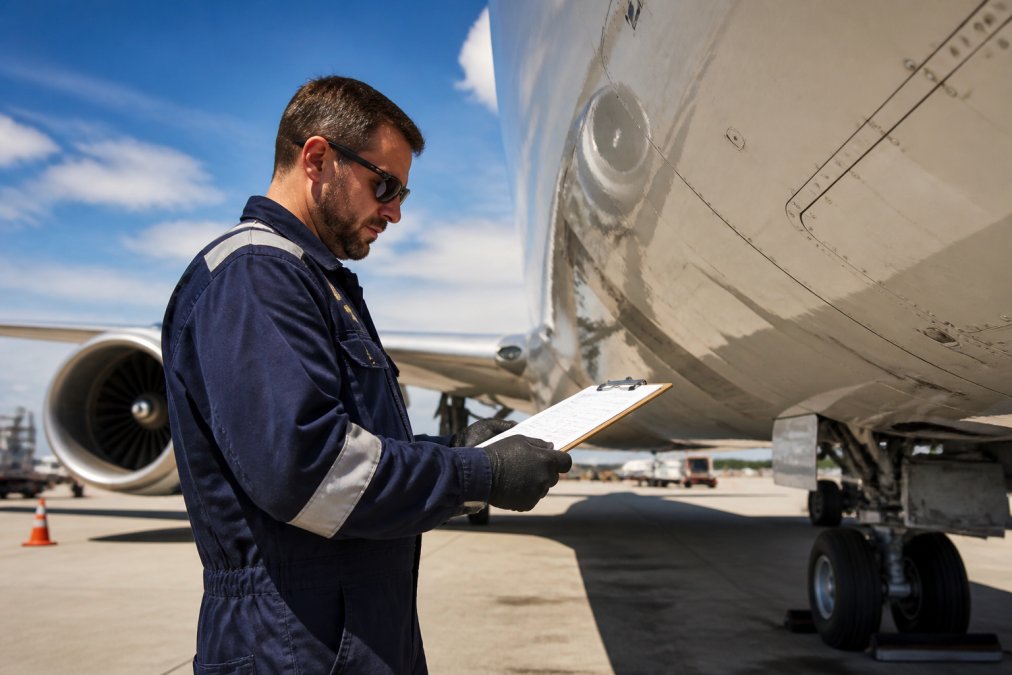
The moment you discover an issue that might ground your aircraft, stop operations. Document exactly what you observed: instrument readings, warning lights, unusual sounds, performance changes. Write it down immediately while details are fresh. This information becomes critical diagnostic data for your maintenance team.
Step 2: Contact Your AOG Support Provider Immediately
Call your 24/7 emergency maintenance provider right away. Don't wait for business hours. 305 Sky maintains 24/7 AOG response capability with mobile maintenance units stationed strategically across South Florida. When you call with an AOG situation, a technician is already mobilizing to your location.
Step 3: Provide Complete Aircraft Information
Your maintenance provider needs: aircraft type and registration number, total flight hours and hours since last major service, list of all systems showing issues or warnings, aircraft location, and relevant recent maintenance history.
Step 4: Secure the Aircraft
Ensure the aircraft is properly secured. Set parking brakes, engage all safety locks, and position the aircraft away from other planes if possible. Notify airport operations of the situation so they can provide ground support if needed.
Step 5: Gather Documentation
Collect all relevant paperwork: maintenance logs, service bulletins, airworthiness directives, and recent inspection reports. Aircraft with complete documentation histories get diagnosed and repaired faster because technicians aren't hunting for baseline information.
Reporting Procedures and Authorities to Contact
Understanding who needs to know about your AOG situation ensures compliance and proper coordination.
Airport Operations and Ground Control
Notify the airport's operations department immediately when your aircraft becomes grounded. They need to know that a position on the tarmac or in a hangar is now occupied by a non-operational aircraft. Most airports have specific procedures for AOG situations.
Your Insurance Provider
Contact your aircraft insurance company as soon as you determine the aircraft is grounded. Many policies have specific AOG coverage provisions, and reporting delays can complicate claims.
The FAA (When Required)
Not every AOG situation requires FAA notification, but certain events do. If your aircraft has experienced an accident, structural damage, or any incident that might involve an investigation, you must report it to the FAA. According to FAA aircraft accident and incident reporting requirements, operators must report any accident, serious incident, or incident involving certain specified conditions. When in doubt, report it.
Your Charter Operator or Lessee (If Applicable)
If your aircraft is enrolled in a charter program or leased to an operator, notify them immediately. They have clients depending on aircraft availability, and early notification allows them to make alternative arrangements.
Maintenance Records and Documentation
Ensure that all AOG maintenance work is properly documented in your aircraft's maintenance logs. Maintenance providers should provide detailed work orders showing what was inspected, what was repaired, what parts were replaced, and the technician's certification level.
Aircraft Maintenance Downtime Reduction During AOG Events
Minimizing downtime during emergency aircraft maintenance requires rapid response, diagnostic efficiency, and parts availability.
Pre-AOG Preparation
Establish a relationship with a 24/7 AOG provider now, while your aircraft is flying normally. Maintain complete maintenance records and keep them accessible. Schedule preventive maintenance on a disciplined schedule to catch problems before they become AOG events.
Rapid Diagnosis
The first 30 minutes of an AOG event determine how long the aircraft stays grounded. A technician who can quickly identify the problem and assess repair complexity can often initiate repairs or order parts while still on-site. Aircraft with clear symptom descriptions and complete maintenance histories get diagnosed in hours instead of days.
Parts Availability
Aircraft grounded by parts shortages represent the worst-case AOG scenario. A provider with established relationships with parts suppliers, emergency shipping capabilities, and inventory of common replacement components can often resume repairs while competitors are still waiting for parts to arrive.
Technician Expertise
Not all maintenance shops can handle every aircraft type or every system failure. A provider with technicians certified on your specific aircraft and experienced with your systems can complete repairs in a fraction of the time it would take a generalist shop.
305 Sky's mobile AOG response units carry diagnostic equipment and common replacement components, enabling technicians to often complete repairs on-site rather than requiring aircraft towing or transportation.
Documentation and Compliance
Repairs must be properly documented and signed off by qualified technicians before your aircraft can legally return to service. Maintenance shops that simplify documentation and maintain clear communication eliminate delays in the final approval stage.
Safety Guidelines While an Aircraft Is Grounded
A grounded aircraft presents specific safety hazards that must be managed carefully.
Securing the Aircraft
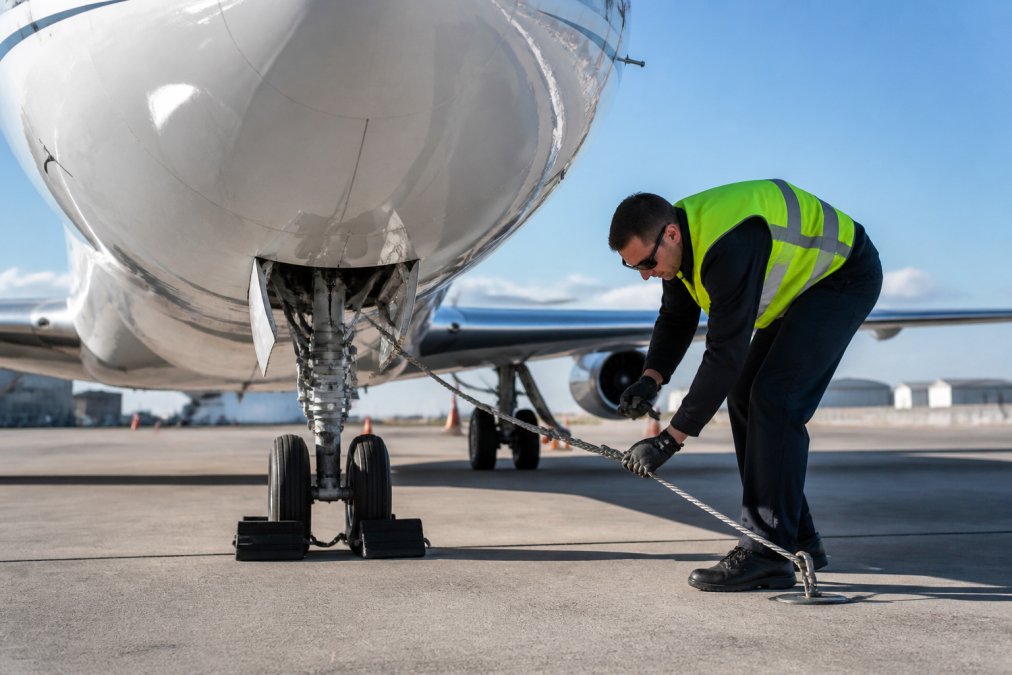
An unattended grounded aircraft must be secured against wind, weather, and accidental movement. Set all parking brakes, engage any available safety locks, and use tie-down cables if the aircraft will be parked for extended periods. Wheel chocks should be positioned on both sides of each wheel.
Environmental Protection
South Florida's climate creates specific challenges for grounded aircraft. Salt air exposure accelerates corrosion on exposed metal components. UV exposure degrades paint, interior materials, and window sealants. Cover the aircraft if it will be grounded for more than a few days. Ensure that all openings, engine inlets, vents, and cabin doors are sealed or covered to prevent moisture and salt spray intrusion.
Access Control and Security
Restrict access to authorized personnel only. Ensure the aircraft is locked and that fuel caps are secure. If the aircraft is undergoing maintenance, verify that work areas are properly cordoned off and that only qualified technicians have access to open systems.
Fuel and Fluid Management
If your aircraft will be grounded for extended periods, drain fuel and fluid systems if recommended by the manufacturer. Stale fuel can develop water contamination and gum deposits that damage engines.
Electrical System Management
Disconnect the aircraft battery if the aircraft will be grounded for more than a few days. This prevents parasitic drain that can completely discharge the battery.
Documentation During Grounding
Photograph the aircraft's condition when it first becomes grounded. Document any visible damage, fluid leaks, or unusual conditions. This photographic record becomes important for insurance claims and helps maintenance technicians understand what occurred before they began work.
Resources and Support for Aircraft Owners
Managing an AOG situation successfully requires access to reliable information, qualified professionals, and support resources.
FAA Resources
The FAA maintains comprehensive guidance on aircraft maintenance requirements, airworthiness standards, and emergency procedures. The FAA's aircraft maintenance and inspection resources provide detailed information on regulatory requirements and best practices. The FAA's Flight Service Stations operate 24/7 and can provide guidance on emergency procedures and reporting requirements.
Industry Organizations
The Aircraft Owners and Pilots Association (AOPA) provides resources for aircraft owners, including maintenance guidance, insurance information, and regulatory updates. The National Business Aviation Association (NBAA) offers resources specifically for corporate flight departments and business aviation operators.
Local Fort Lauderdale Resources
Fort Lauderdale's aviation community includes several major maintenance facilities and emergency response providers. The Fort Lauderdale Executive Airport (FXE) and other South Florida airports maintain lists of approved maintenance providers and emergency services.
305 Sky operates strategically across South Florida with facilities in Fort Lauderdale and the surrounding region. Our 24/7 AOG response capability means that aircraft owners in Boca Raton, West Palm Beach, and throughout the corridor have immediate access to emergency maintenance support. When your aircraft is grounded, having a provider with local presence and deep South Florida aviation experience makes the difference between hours of downtime and days.
An aircraft on ground situation tests your preparation and your relationships. The aircraft owners who handle AOG events most effectively aren't the ones who panic, they're the ones who've already established a partnership with a qualified 24/7 maintenance provider, maintained complete aircraft documentation, and know exactly who to call when trouble strikes. If you're operating aircraft in South Florida without an established AOG support relationship, that's your first priority. Get a quote from 305 Sky and establish the emergency maintenance partnership that protects your aircraft, your operation, and your peace of mind.
Frequently Asked Questions
What does AOG mean and why is it urgent?
AOG stands for Aircraft on Ground, meaning an aircraft cannot fly due to mechanical, electrical, or structural issues. It's urgent because grounded aircraft generate no revenue, incur storage costs, and disrupt schedules. For charter operators and private owners, AOG situations demand immediate expert attention to minimize downtime and get the aircraft back in service safely.
How do I find emergency aircraft maintenance in Fort Lauderdale when my plane is grounded?
Call your maintenance provider's 24/7 emergency line immediately. If you don't have one, contact the airport operations office or fixed-base operator (FBO) at your location. In the Fort Lauderdale area, specialized AOG providers offer mobile response teams that can diagnose and repair issues on-site, often within hours. Have your aircraft type, registration number, and a description of the problem ready.
What information should I have ready when reporting an aircraft on ground situation?
Provide your aircraft's make, model, and tail number; current location and hangar/parking spot; nature of the mechanical issue (if known); last maintenance performed; and your contact information. Include whether the aircraft is at a major airport or a smaller field, as this affects response logistics. The more detail you provide upfront, the faster technicians can mobilize and bring the right parts and tools.
How can I reduce downtime during an AOG event?
Choose a maintenance provider with mobile AOG capabilities and 24/7 availability so repairs can start immediately rather than waiting for business hours. Maintain detailed maintenance records so technicians can quickly identify root causes. Establish a preventive maintenance schedule to catch issues before they ground the aircraft. Having a trusted provider on retainer ensures priority response when emergencies occur, reducing both repair time and total downtime costs.
This article was written using GrandRanker