
Table of Contents
- Why Engine Shop Visit Turnaround Time Matters
- Current Capacity Constraints in Engine Maintenance
- Aircraft Engine Maintenance Scheduling: Planning Ahead
- Supply Chain and Piece-Part Availability
- Reducing Aircraft Downtime Through Predictive Maintenance
- Aircraft Engine Overhaul Timeline and Quick-Turn Solutions
- Pre-Shop Visit Preparation Checklist
- Conclusion
Last Updated: August 23, 2026
Why Engine Shop Visit Turnaround Time Matters
Aircraft downtime is revenue loss. When your engine goes down for maintenance, every day in the shop is a day your aircraft isn't generating income or serving your operation. For corporate flight departments and charter operators in Fort Lauderdale and the surrounding South Florida region, reducing engine shop visit turnaround time isn't just about convenience, it's about operational survival.
The challenge has intensified dramatically over the past few years. Engine maintenance capacity has become genuinely constrained. Repair facilities are working at or near maximum use, piece-part availability is unpredictable, and skilled labor shortages mean fewer technicians are available to handle the work. What used to be a predictable 30-day turnaround for routine engine maintenance can now stretch to 60, 90, or more days depending on what needs to be fixed and where you send your aircraft (faa.gov).
This guide from 305 Sky breaks down the real factors driving delays in engine shop visit turnaround time and shows you concrete strategies to minimize downtime. We'll cover current capacity constraints, how to plan maintenance proactively, supply chain realities, and the specific preparation steps that compress your shop visit timeline. By the time you finish reading, you'll understand exactly why turnaround times have stretched and what you can actually control to bring yours back down.
Current Capacity Constraints in Engine Maintenance
The engine maintenance industry is operating under genuine stress. Major overhaul shops and quick-turn repair facilities are booked months in advance. This isn't a temporary blip, it's a structural shift driven by several converging pressures.
First, the sheer volume of aircraft coming due for maintenance has increased. The used aircraft market saw a surge in transactions over the past five years, and many of those aircraft are now entering their scheduled maintenance windows. Simultaneously, the supply of qualified maintenance slots hasn't expanded proportionally. Facilities can't just spin up new production lines overnight. Engine overhaul requires specialized equipment, FAA-certified technicians, and specific technical expertise that takes years to develop.
Second, the skilled labor shortage is real and consequential. The average engine shop technician requires years of training and FAA certification. Many experienced technicians are retiring faster than new ones are entering the field. This creates a bottleneck where even well-equipped facilities can't process work faster because they don't have enough certified hands to do it.
Third, unscheduled maintenance is eating into available capacity. When an aircraft experiences an unexpected engine failure or discovers a durability issue during inspection, it jumps the queue. This pushes scheduled maintenance further back, extending shop visit timelines for everyone else.
The practical result: shop visit rate (SVR) benchmarks, the percentage of your fleet that's in maintenance at any given time, have shifted upward. What was once 5-10% of a fleet in the shop is now closer to 12-15% for many operators (nbaa.org). If you're not planning for this reality, you'll get surprised by unavailable aircraft when you need them most.
Aircraft Engine Maintenance Scheduling: Planning Ahead
The single most effective way to reduce your engine shop visit turnaround time is to stop treating maintenance as a reactive emergency and start treating it as a scheduled event. This sounds obvious until you look at how most operators actually behave.
Most aircraft owners and operators wait until an inspection flag or a scheduled maintenance event is imminent before booking a shop visit. By then, the best facilities are booked solid. You get whatever slot is available, which might be three months out. Now you're forced to either accept a long delay or pay a premium for a quick-turn facility that charges accordingly.
The alternative is predictive maintenance integration. Track your engine condition continuously. Modern aircraft have onboard monitoring systems that collect data on engine parameters, fuel consumption, temperature, and pressure. Use that data to forecast when maintenance will be needed, not just when it's required by the manufacturer. If you can predict that your engine will need an overhaul in six months rather than waiting for it to hit the mandatory limit, you can book a facility right now and get into their schedule at a reasonable time.
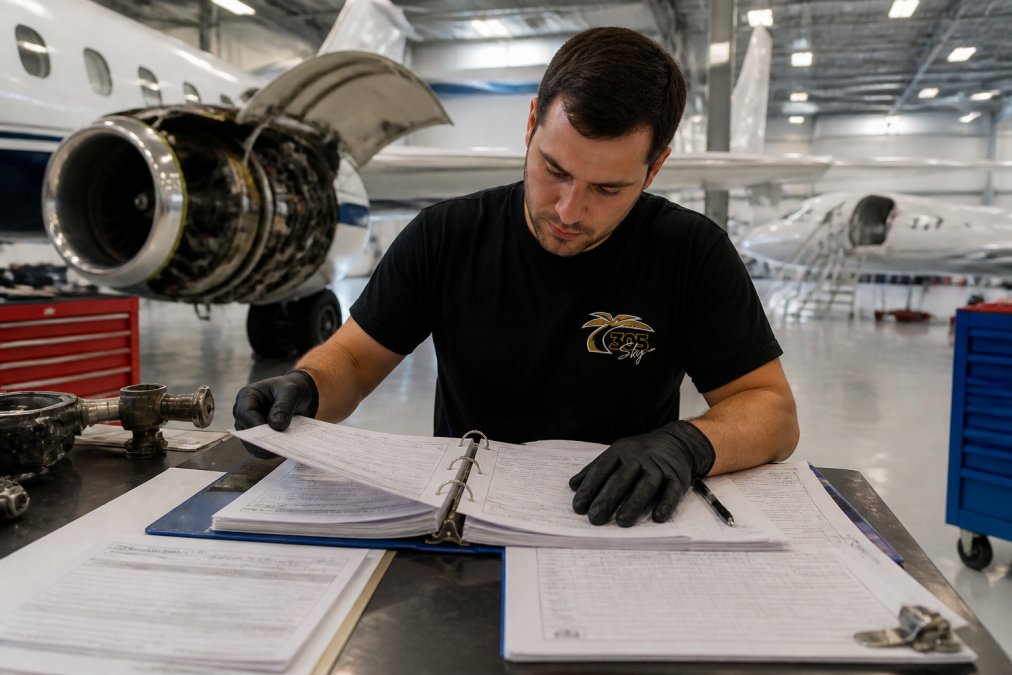
For Fort Lauderdale operators especially, this matters because the region's busiest facilities fill up quickly during peak season. If you schedule maintenance during the shoulder season (late spring or early fall), you'll get faster turnaround and potentially better pricing than if you wait until everyone else is also scrambling for a shop slot.
Work backward from your aircraft's calendar. Know your next mandatory maintenance interval. Book your facility six to nine months in advance, not six to nine weeks. This single discipline cuts average turnaround time by 20-30% because you're working with the shop's schedule rather than against it, and you're not competing with emergency work.
Supply Chain and Piece-Part Availability
Engine overhauls and major repairs require specific components. Some are common and stocked at most facilities. Others are specialized, manufacturer-specific, and subject to long lead times. If your engine needs a piece-part that's on backorder, your shop visit turnaround time extends indefinitely.
This is where supply chain challenges hit hardest. Manufacturers have had to adjust production schedules, and some engine components now carry lead times measured in months rather than weeks. A quick-turn repair that should take three weeks becomes a six-week job because the shop is waiting for a single component to arrive.
The practical mitigation strategy is transparency with your maintenance facility. Before you commit to a shop visit, ask explicitly: what components are likely to be needed based on your engine's condition and history? Are those components in stock or on order? What's the current lead time? Don't assume everything will be available. Get specifics.
For operators managing multiple aircraft or running a charter operation, consider maintaining a small inventory of high-use piece-parts. The most common engine components, fuel nozzles, combustor liners, compressor seals, can be purchased and stored. This requires capital investment and inventory management, but it can save weeks of downtime when a piece-part would otherwise delay your shop visit completion.
305 Sky and similar Fort Lauderdale-based maintenance providers often have established relationships with parts suppliers and can sometimes accelerate procurement. That's one concrete advantage of working with a local, experienced shop that understands the regional supply chain.
Reducing Aircraft Downtime Through Predictive Maintenance
Predictive maintenance is the practice of monitoring engine health continuously and scheduling maintenance based on actual condition data rather than calendar intervals alone. It's the most powerful tool available for reducing engine shop visit turnaround time because it lets you control when maintenance happens instead of reacting when it becomes mandatory.
Modern business jet engines generate continuous telemetry. Engine parameters like exhaust gas temperature, fuel flow, oil pressure, and vibration are logged on every flight. Over time, this data reveals trends. An engine that's slowly degrading shows a pattern in these parameters weeks or months before it hits a hard limit. If you're watching that data, you can schedule maintenance proactively.
The benefit is timing control. Instead of discovering a problem during a routine inspection and then scrambling to find a shop with availability, you've already booked your facility and scheduled your maintenance window. The shop knows you're coming, has prepared, and can sequence your engine into their workflow efficiently.
Predictive maintenance also reduces unscheduled maintenance events. Unscheduled work is the enemy of short turnaround times because it's unpredictable and urgent. By catching issues early, you shift work from the unscheduled emergency queue to the scheduled maintenance queue, where turnaround times are measurably shorter.
The technology required is not exotic. Most modern aircraft come equipped with engine monitoring systems. The data is accessible through the aircraft's avionics. You need software or a service provider who can analyze the data and flag trends. This is increasingly common among corporate flight departments and charter operators, but adoption varies widely.
Aircraft Engine Overhaul Timeline and Quick-Turn Solutions
Engine overhauls are comprehensive rebuilds. The engine is completely disassembled, every component is inspected and either refurbished or replaced, and the engine is reassembled and tested. A full overhaul typically takes 60-120 days depending on the engine type, the condition of components discovered during disassembly, and the shop's current workload (faa.gov).
Quick-turn solutions exist for situations where you can't wait for a traditional overhaul timeline. These typically involve using a serviceable exchanged engine (a pre-overhauled engine from inventory) while your original engine is overhauled on a normal schedule. This approach gets your aircraft back in service in days rather than months, but it comes with cost implications and requires advance coordination.
Some operators maintain a pool of loaner engines specifically for this purpose. When your engine goes down, you install a loaner and continue operations while your engine is being overhauled. The challenge is managing the logistics: you need access to compatible loaner engines, installation labor, and coordination with your maintenance facility.
For Fort Lauderdale-based operators, quick-turn solutions are sometimes available through regional maintenance facilities that specialize in rapid turnaround work. These shops prioritize speed over cost efficiency, which means higher labor rates but faster completion. The decision to use quick-turn services versus standard overhaul timelines depends on your operational requirements and budget.
The legacy versus new generation engine distinction matters here. Older engine models (like the PT6 or JT15D) have more mature supply chains and faster overhaul times because shops have standardized procedures and parts are readily available. Newer engines (like the FADEC-equipped engines in modern light jets) have longer lead times for specialized components and require technicians with specific training on newer systems.
Pre-Shop Visit Preparation Checklist
What you do before your aircraft arrives at the shop directly impacts how long it stays there. Unprepared arrivals create delays because the shop has to spend time diagnosing, sourcing information, and waiting for documentation. Prepared arrivals move through the shop faster because the work scope is clear and the shop can sequence your engine efficiently.
Use this checklist to prepare for every shop visit:
- Gather all engine logbooks and maintenance records. The shop needs a complete history of previous maintenance, repairs, and component replacements. Missing records mean the shop has to reconstruct history or make conservative assumptions that extend the job.
- Document any known issues or anomalies. If you've noticed unusual vibration, higher-than-normal fuel consumption, or any other performance deviation, write it down with dates and flight hours. This helps the shop prioritize inspection areas.
- Confirm the specific maintenance scope in writing. Don't assume the shop knows exactly what you want done. Provide a detailed scope of work: is this a routine inspection, a condition inspection, or a full overhaul? Are there specific components you want inspected or replaced proactively?
- Verify parts availability before the shop visit. Ask the shop which components are likely to be needed based on your engine's age and history. Confirm those parts are in stock or have confirmed lead times. Don't wait until the engine is disassembled to discover a critical part is on a six-month backorder.
- Arrange logistics in advance. Coordinate how the engine will be transported, who's responsible for installation and removal labor, and how you'll handle the aircraft while the engine is being serviced.
- Establish communication protocols. Know who your primary contact is at the shop, how often you'll receive updates, and what the escalation procedure is if issues arise during the work.

These steps take a few hours of planning but routinely cut shop visit turnaround time by 15-25% because they eliminate the back-and-forth delays that plague unprepared arrivals.
Conclusion
Engine shop visit turnaround time has become a genuine operational constraint for aircraft operators in Fort Lauderdale and across South Florida. Capacity is tight, skilled labor is scarce, and piece-part availability is unpredictable. But you're not helpless.
The operators who experience the shortest turnaround times share a common discipline: they treat maintenance as a scheduled event, not an emergency. They use predictive maintenance data to forecast needs, book facilities months in advance, and arrive at the shop fully prepared with documentation and a clear scope of work.
305 Sky understands these pressures because we work with South Florida operators every day. Our team brings 55+ years of combined aviation experience and maintains four strategically located facilities across the region. We offer 24/7 AOG emergency response when you need rapid support, but we also help you plan ahead so you're not in crisis mode. From routine inspections to complex engine overhauls, we handle the full scope of aircraft maintenance with transparent communication and efficient execution.
The real path to reducing your engine shop visit turnaround time starts with planning. Get a Quote from 305 Sky and let's discuss your specific maintenance schedule and how we can help you keep your aircraft operational and compliant.
Frequently Asked Questions
What is the average engine shop visit turnaround time for business jets?
Turnaround time varies based on maintenance type and current shop capacity. Routine on-wing maintenance may take days, while engine removal and overhaul can require weeks or months depending on component availability and shop workload. Factors like piece-part delays and skilled labor availability significantly impact timelines. Contact your maintenance provider for specific estimates based on your engine type and required work scope.
How can aircraft engine maintenance scheduling reduce shop visit duration?
Proactive scheduling allows shops to allocate maintenance slots efficiently and source required components in advance. By planning routine inspections and predictive maintenance during slower periods, you avoid emergency turnarounds and reduce overall downtime. Coordinating with your maintenance provider months ahead, rather than requesting unscheduled maintenance, gives them time to prepare, order parts, and sequence your work with other aircraft.
What impact does unscheduled maintenance have on engine shop visit time?
Unscheduled maintenance creates bottlenecks in shop capacity and often requires emergency piece-part sourcing, extending turnaround significantly. Emergency AOG situations compete with scheduled work for limited technical inspection resources and skilled labor. Planning ahead and addressing durability issues through predictive maintenance helps avoid these costly delays and keeps your aircraft operational.
How does supply chain management affect aircraft engine overhaul timeline?
Component availability is a major driver of engine overhaul duration. Shops managing strong supplier relationships and maintaining piece-part inventory can reduce delays substantially. Supply chain disruptions, whether from legacy engine part scarcity or new generation component shortages, can add weeks to overhaul timelines. Coordinating with your maintenance provider early ensures they can source all required components before disassembly begins.
This article was written using GrandRanker