Table of Contents
- What an Independent Aircraft Technical Consultant Does
- Key Qualifications and Certifications to Look For
- Understanding Aircraft Maintenance Consulting Rates
- Contract-to-Hire vs. Direct Placement Models
- Creating an Aviation Consultant Contract Template
- FAA Compliance Audit Services in Your Area
- Vetting and Due Diligence: How to Verify Credentials
- Conclusion
Last Updated: August 27, 2026
What an Independent Aircraft Technical Consultant Does
An independent aircraft technical consultant is a specialized professional who provides expert guidance on aviation maintenance, regulatory compliance, aircraft systems, and technical problem-solving on a project or contract basis. These consultants work outside traditional maintenance facilities, offering flexibility and focused expertise to aircraft owners, operators, and charter companies without requiring a full-time employee commitment.
The scope of work typically includes aircraft inspections, maintenance planning, regulatory compliance audits, avionics system evaluation, and technical advisory services. Some specialize in pre-buy inspections, while others focus on fleet management, AOG emergency response, or specific aircraft systems. What sets independent consultants apart is their ability to serve as a trusted technical advisor without the overhead of a large maintenance organization, mobilizing quickly for urgent issues and providing objective assessments unclouded by sales pressure.
Key Qualifications and Certifications to Look For
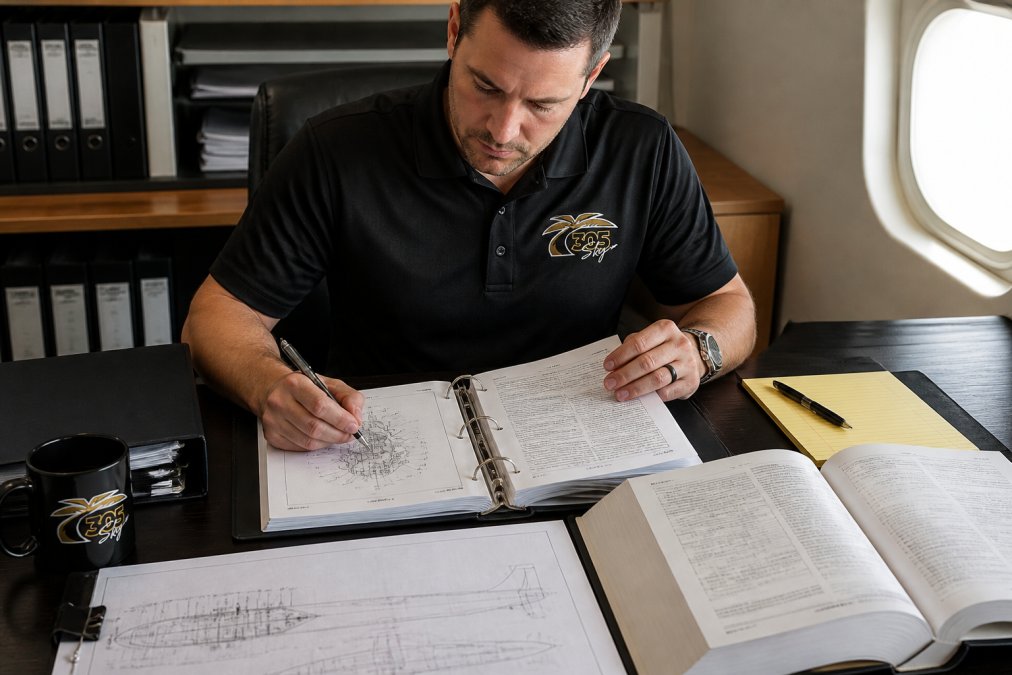
When evaluating an independent aircraft technical consultant, specific certifications separate competent professionals from those still learning the trade. The most critical credential is an FAA Airframe and Powerplant (A&P) certificate, which demonstrates rigorous knowledge and practical expertise in aircraft structure, engines, and systems (faa.gov).
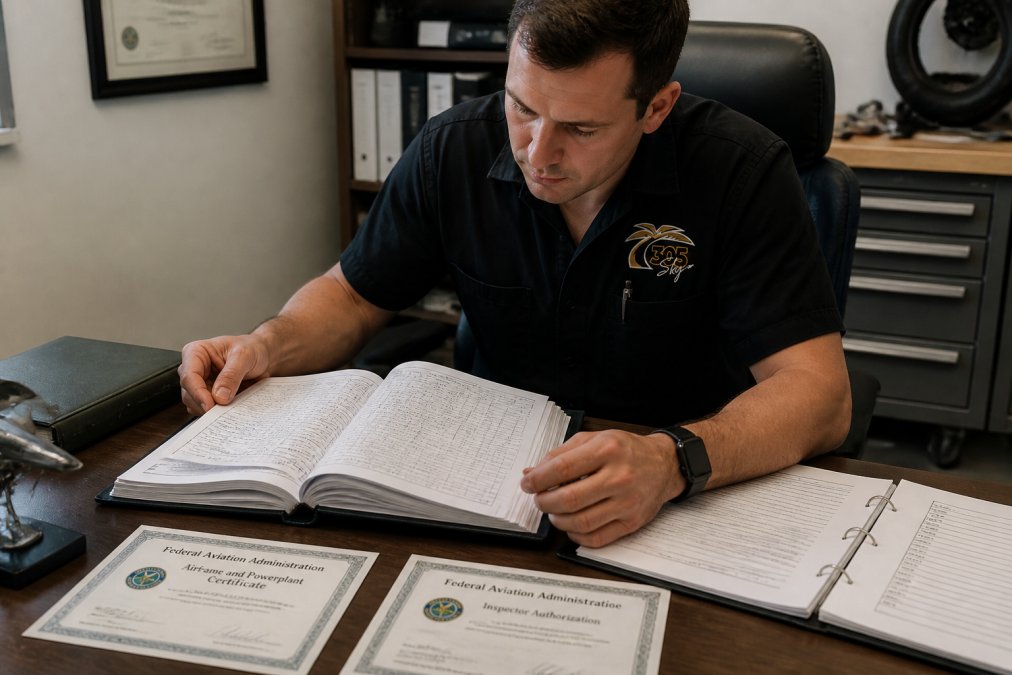
Beyond the A&P, look for Inspection Authorization (IA) credentials, which allow the consultant to perform annual inspections and sign off on airworthiness certificates. An IA-rated consultant can conduct comprehensive inspections independently, a significant advantage when you need objective assessment (faa.gov).
Additional qualifications include type ratings for specific aircraft you operate. A consultant with King Air experience understands the unique pressurization systems, turboprop engines, and avionics that differ from single-engine aircraft. Many independent consultants also hold Repairman certificates for specific aircraft or avionics systems, and some maintain current medical certifications as former pilots.
Understanding Aircraft Maintenance Consulting Rates
Aircraft maintenance consulting rates vary based on experience level, geographic location, scope of work, and whether the consultant works as a sole proprietor or through a consultancy. Rates are typically quoted as hourly fees, daily rates, or project-based pricing.
Independent consultants in South Florida generally structure fees around work complexity. A straightforward technical review might be charged hourly, while a comprehensive pre-buy inspection is often quoted as a fixed project fee. Emergency AOG support may carry premium rates due to time-sensitive nature and availability constraints.
The key to understanding consulting rates is recognizing what's included. Some consultants bill for travel time; others factor that into their base rate. Some provide written reports as part of the fee; others charge separately. A transparent consultant will outline exactly what their rate covers before you commit.
When comparing rates, consider the consultant's experience and certifications. A consultant with 20+ years of experience and specialized type ratings will command higher rates, but the investment often pays for itself through faster problem diagnosis and better strategic maintenance planning.
Contract-to-Hire vs. Direct Placement Models
The relationship structure between you and an independent consultant determines flexibility, cost, and commitment level.
Contract-to-hire begins with a defined project or short-term engagement, typically 3-6 months, with the option to convert to permanent or long-term arrangement if both parties agree. This model suits aircraft owners testing whether a consultant's working style aligns with their operation. You pay the consultant's hourly or project rate without employment taxes or benefits overhead.
Direct placement means hiring the consultant as a contractor or employee with an ongoing relationship, often month-to-month or annual agreements. This model is ideal if you have consistent technical needs, routine inspections, compliance audits, or ongoing fleet management. Direct placement typically involves lower per-hour rates than short-term contracts because the consultant has predictable income.
For many aircraft owners, a hybrid approach works best: contract-to-hire for specialized projects like avionics upgrades or pre-buy inspections, then transitioning to direct placement for ongoing maintenance advisory and regulatory compliance support. A well-drafted agreement clarifies scope, liability, payment terms, and termination conditions, protecting both parties legally and financially.
Creating an Aviation Consultant Contract Template
A solid aviation consultant contract protects both you and the consultant by clearly defining expectations, deliverables, liability, and payment terms. The contract should open with a statement of work describing the specific services, whether that's pre-buy inspections, regulatory compliance audits, emergency technical support, or ongoing advisory.
The scope of work section should specify exactly what's included and what's not. For example, a pre-buy inspection contract might state: "Consultant will perform a comprehensive airframe and systems inspection per FAA guidelines, provide a written report within 5 business days, and attend a 30-minute consultation to discuss findings."
Payment terms should outline the consultant's rate, billing frequency, and what triggers invoicing. If paying for a project, specify whether that includes travel time, report writing, and follow-up consultations. Many consultants require a retainer for emergency AOG support, which reserves their availability for rapid response.
Liability and insurance provisions are critical in aviation work. The contract should state whether the consultant carries professional liability insurance and clarify that the consultant is providing technical guidance while final maintenance decisions rest with the aircraft owner or maintenance facility.
Termination clauses should specify how either party can end the engagement, notice periods, and what happens to work in progress. For ongoing advisory relationships, a 30-day notice period is standard.
FAA Compliance Audit Services in Your Area
Aircraft owners and operators in South Florida face specific regulatory requirements that an independent consultant can help you navigate. FAA compliance audits verify that your aircraft maintenance records, inspection schedules, and airworthiness documentation meet federal standards (faa.gov). These audits become critical when preparing to sell an aircraft, applying for financing, or transitioning to a new maintenance facility.
A compliance audit typically covers verification that all required inspections have been completed and documented, confirmation that airworthiness directives (ADs) have been addressed, review of maintenance records for continuity and legibility, and assessment of whether the aircraft's current condition aligns with its maintenance history. An independent consultant can identify gaps in documentation or compliance issues before they become problems during a transaction or regulatory inspection.
Many aircraft owners discover compliance issues only when preparing to sell. A consultant can conduct a pre-sale audit to identify and help resolve these issues proactively. For charter operators and flight departments, regular compliance audits help maintain the documentation standards required for commercial operations. Insurance companies often require annual compliance verification or audits at specific intervals.
Vetting and Due Diligence: How to Verify Credentials
Before engaging an independent aircraft technical consultant, thorough vetting protects you from incompetence, fraud, or liability exposure. Start by requesting copies of the consultant's current FAA certifications. An A&P certificate and Inspection Authorization should be verifiable through the FAA's online database or by contacting the FAA directly.
Request references from previous clients, ideally aircraft owners or operators with similar aircraft or needs to yours. Ask specific questions: How quickly did the consultant respond? Was the technical assessment accurate? Did the consultant's recommendations prove sound? References willing to speak on the phone are more credible than written testimonials.
Verify insurance coverage. Professional liability insurance protects you if the consultant's guidance leads to a problem. Ask for a certificate of insurance showing current coverage and the insurance company's contact information.
Check for any FAA enforcement history. The FAA publishes enforcement actions against certificate holders. While a single old violation doesn't necessarily disqualify someone, a pattern of violations or recent enforcement actions raises red flags.
Ask about the consultant's experience with your specific aircraft type or the type of work you need. Specificity matters, a consultant who has worked on dozens of your aircraft type will diagnose problems faster than someone with only general knowledge.
Finally, trust your instincts about communication and professionalism. Does the consultant ask clarifying questions about your needs, or do they immediately start quoting prices? Do they explain recommendations in terms you understand? A consultant who communicates clearly is more likely to deliver value.
Conclusion
Hiring an independent aircraft technical consultant requires clarity about what you need, verification of credentials, and a contract that protects both parties. Whether you're seeking a pre-buy inspection before purchasing an aircraft, regulatory compliance support, or ongoing technical advisory for your fleet, the right consultant brings expertise, objectivity, and responsiveness that larger maintenance facilities often can't match.
At 305 Sky, we understand the value of independent technical guidance and work alongside existing maintenance relationships. Our team brings 55+ years of combined aviation experience to every consultation, whether conducting comprehensive pre-buy inspections, performing AOG emergency response with our mobile van, or helping you navigate FAA compliance requirements across South Florida. We're transparent about recommendations, responsive to your timeline, and committed to keeping your aircraft airworthy and compliant. Get a quote from 305 Sky today and discover what a family-oriented, expert-driven approach to aircraft technical support looks like.
| Consultant Type | Best For | Key Consideration |
|---|---|---|
| Contract-to-hire | Testing fit before long-term commitment | Lower per-hour rate; defined project scope |
| Direct placement | Ongoing advisory and compliance support | Predictable costs; established relationship |
| Specialized consultant | Avionics, pre-buy, or niche expertise | Higher rate; deep knowledge in specific area |
| AOG emergency support | Urgent, time-sensitive issues | Premium rates; 24/7 availability required |
Frequently Asked Questions
What qualifications should I look for in an independent aircraft technical consultant?
Look for A&P (Airframe and Powerplant) certification, FAA licensing, and industry-specific experience. For specialized work like avionics or pressurized aircraft systems, verify additional ratings or endorsements. Ask for references from operators in your aircraft category and confirmation of current insurance and liability coverage. The consultant should demonstrate knowledge of your specific aircraft type and the regulatory standards that apply to it.
How do independent aircraft consultants charge for their services?
Most independent aircraft technical consultants charge by the hour, with rates varying based on expertise, certifications, and the complexity of work. Some offer fixed-rate packages for specific tasks like pre-buy inspections or compliance audits. When evaluating proposals, ask whether the rate includes travel time, documentation, and follow-up support. Request a detailed scope of work and fee structure upfront to avoid surprises.
What should be included in a contract for an independent aircraft technical consultant?
Your aviation consultant contract template should specify the scope of work, hourly rate or fixed fee, payment terms, start and end dates, liability and insurance requirements, confidentiality clauses, and termination conditions. Include details on how emergency or AOG situations are handled and whether additional charges apply. Define who owns technical documentation and inspection reports. Ensure the contract clearly states the consultant's responsibilities and your rights if work falls short of FAA standards or industry best practices.
How can an independent consultant help with FAA compliance in my area?
An independent consultant can conduct FAA compliance audits to verify your aircraft meets current airworthiness standards, review maintenance records for regulatory gaps, and help prepare for FAA inspections. They can also advise on compliance requirements specific to your operation, whether you fly under Part 91 or operate a charter service. A consultant familiar with Florida aviation operations can identify state-specific or local requirements and help you maintain documentation that demonstrates compliance.
This article was written using GrandRanker